


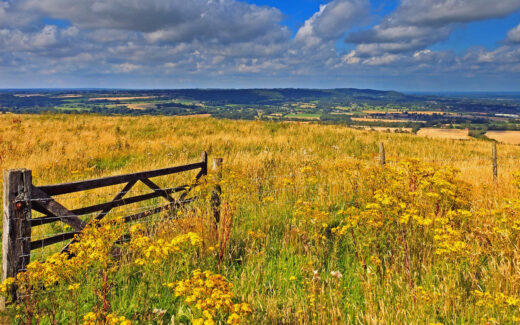
If you are looking for the perfect escape from the city bustle and want to breathe in some fresh air, Butser Hill is a location you absolutely cannot miss. Rising proudly over the surrounding area, this impressive chalk massif is not only a paradise for nature lovers but also a place steeped in fascinating history. Whether you are planning an intense trek, a family outing with the dog, or simply want to sit on the grass and watch the sunset, this impressive peak will guarantee an unforgettable experience. We have prepared a complete guide for you so that your visit is perfectly planned.
Why is Butser Hill a must-see on the tourist map?
Measuring 271 metres above sea level, this elevation is officially the highest point on the chalk ridge of the South Downs. Its unique topography allows it to dominate the landscape, offering views that will literally take your breath away. When you stand right at the summit, you have a panorama stretching for tens of miles in every direction.
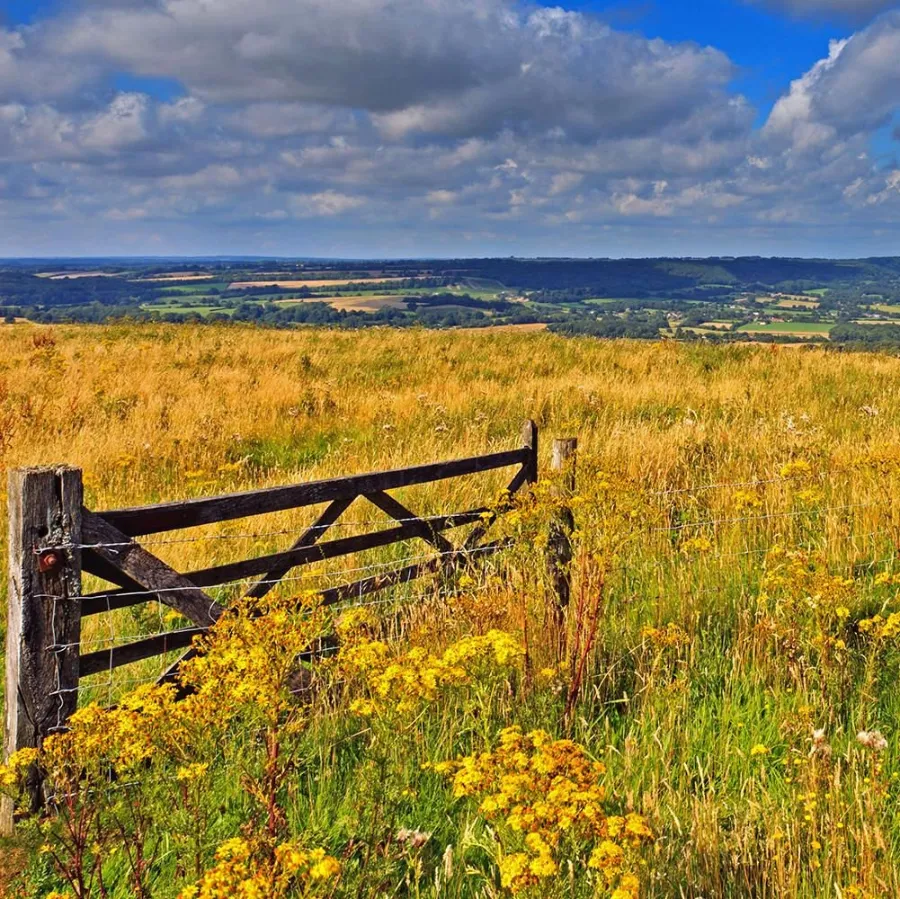
For residents of Portsmouth and tourists visiting our beautiful coast, a trip to this hill is an excellent opportunity to be transported to a completely different, wild, and rugged world in just a 20-30 minute drive. Instead of ocean waves, you will be surrounded by the endless, rolling green hills that the South Downs National Park is famous for. This is where you will feel the true power of British nature, untainted by excessive urbanisation.
History written in chalk: From antiquity to modern times
This place is not just about magnificent nature; it is also a silent witness to thousands of years of human history. Walking across these lands, you are literally treading in the footsteps of our ancient ancestors.
The Iron Age and Celtic heritage
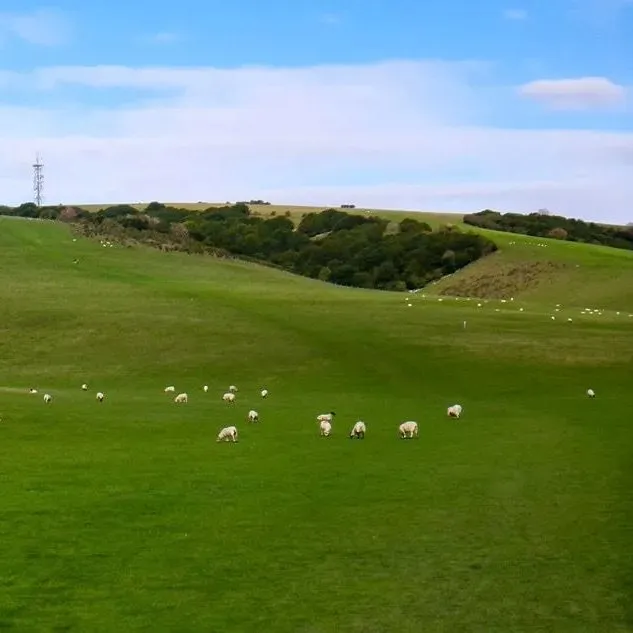
Archaeologists have discovered numerous pieces of evidence on the slopes showing that this area was intensively used as far back as the Iron Age and even the Bronze Age. Ancient farmers valued these chalky lands for their properties and ease of cultivation. Even today, a trained eye can spot the outlines of old earthworks and ancient field boundaries (known as Celtic fields). It is an incredible feeling to know that people farmed this land over two thousand years ago, braving harsh weather conditions.
Military significance and HMS Mercury
In more modern times, specifically during the Second World War and the Cold War, this area served an incredibly important strategic function. Due to its location and height, radar stations and communication systems were installed here. Just 2-3 miles away from Butser Hill, at the Leydene House estate (near East Meon), the famous Royal Navy shore establishment – HMS Mercury – was based. Between 1941 and 1993, it served as the main communications and navigation training centre for the British Navy. Although the base is no longer there, the spirit of history still lingers over these vast meadows.
Nature and ecology: A unique National Nature Reserve
For biologists and wildlife enthusiasts, Butser Hill is a true treasure. The entire area is classified as a National Nature Reserve and a Site of Special Scientific Interest (SSSI). Why is this so important? Because the chalk grassland you are standing on is one of the most threatened habitats in Europe – often referred to as the “European equivalent of rainforests” due to the incredible biodiversity per square metre.
A botanical paradise: Orchids and rare herbs
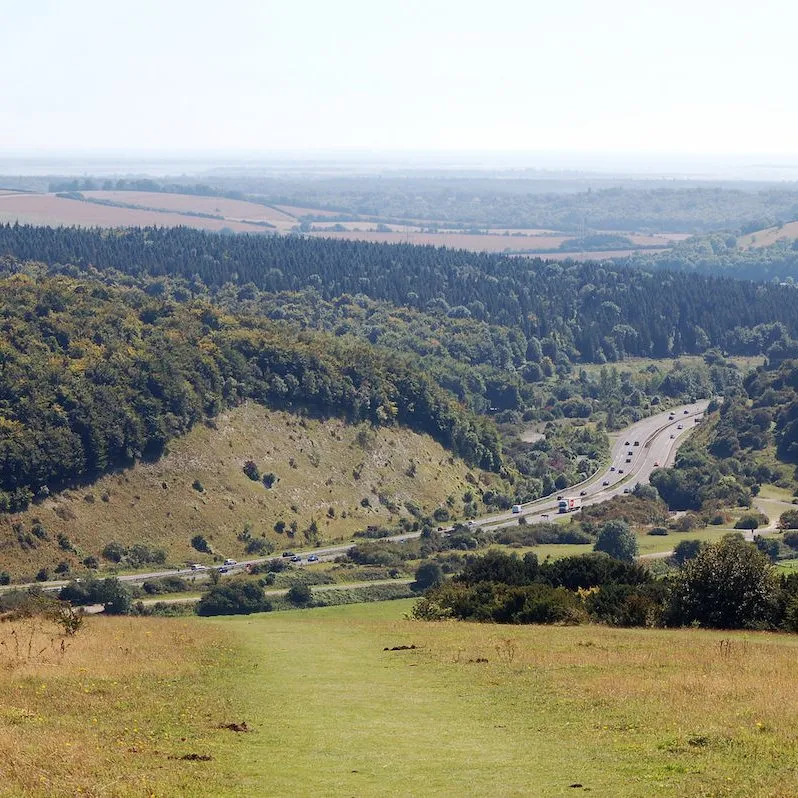
In spring and summer, the hill turns into a colourful carpet. The alkaline chalk soil is nutrient-poor, which, paradoxically, is brilliant news for rare plant species. The lack of dominance by aggressive grasses allows many unique flowers to bloom. If you are lucky (and have a keen eye), you can spot rare species of wild orchids here, including the bee orchid and the fragrant orchid. The air often smells of wild thyme and marjoram, which grow naturally on the sun-drenched slopes.
The animal kingdom: From butterflies to birds of prey
The abundance of flowers attracts an extraordinary number of insects. This reserve is home to many rare butterfly species, including the purple emperor, the chalk hill blue, and the grizzled skipper. Looking up at the sky, you can very often spot circling predators – buzzards, kestrels, and increasingly, majestic red kites, which effortlessly use the thermal currents forming over the steep slopes.
How to plan the perfect trip? An active guide
One of the greatest advantages of this place is its versatility. It will satisfy elderly walkers, families with prams, and extreme sports enthusiasts alike.
The best walking trails
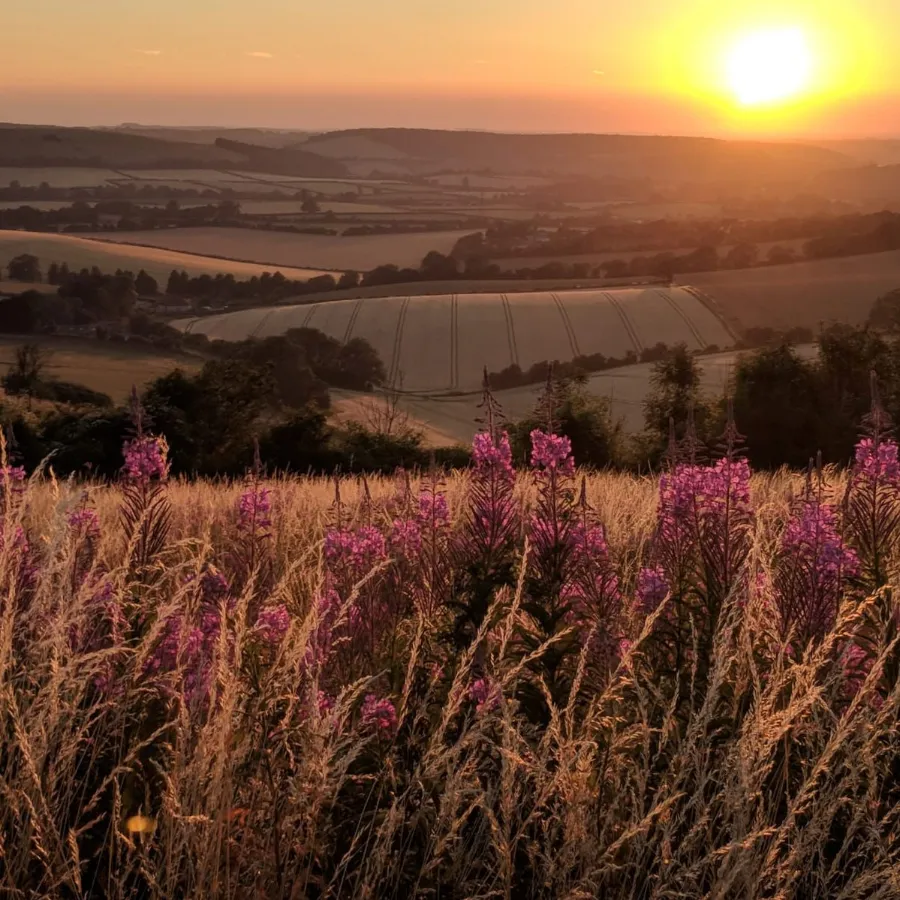
For those seeking a gentle stroll, the ideal solution is to park at the highest car park and leisurely walk around the summit plateau. The route is relatively flat and offers phenomenal views without the need for a steep climb. On the other hand, for more ambitious hikers, we recommend starting the trek at the bottom, in Queen Elizabeth Country Park, from where several marked (and quite steep!) trails lead straight to the top. The hill is also crossed by the famous long-distance trail, the South Downs Way, stretching all the way from Winchester to Eastbourne.
Mountain biking and paragliding
Due to the steep drops, the surrounding paths are a mecca for mountain bikers. There are dedicated, demanding downhill trails here. Furthermore, provided the wind is blowing in the right direction, the sky above the summit fills with the colourful canopies of paragliders and hang-gliders. It is one of the best and most popular spots for this sport in the south of England. The sight of people gliding freely over the edge makes a colossal impression and provides fantastic photo opportunities.
The best Hampshire viewpoints: What will you see from the summit?
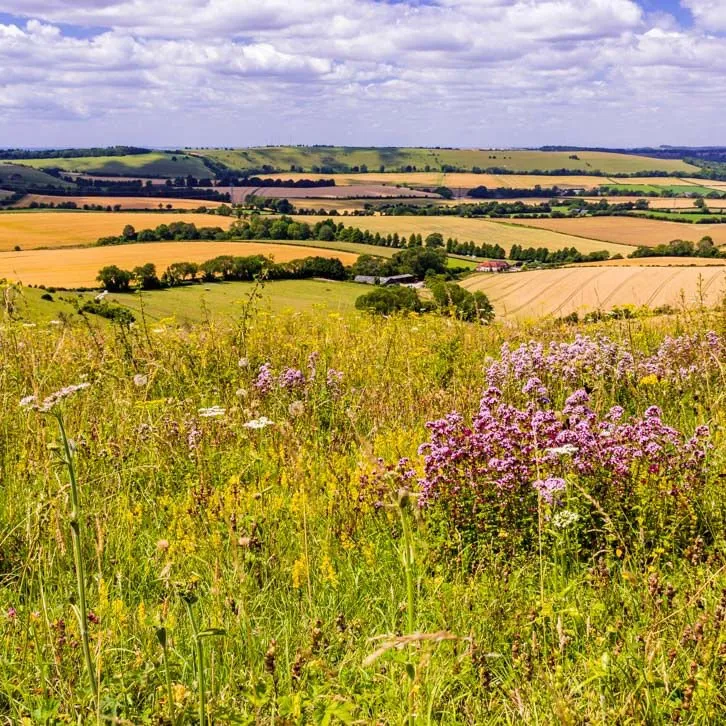
Many people wonder where to find the most beautiful Hampshire viewpoints. The answer is simple: right here. On a clear, cloudless day, visibility reaches almost 40 miles (approx. 65 kilometres). Standing on the edge of the hill and looking south, you will clearly see the Portsmouth skyline, the iconic Spinnaker Tower, and further out, the shimmering waters of the Solent and the outline of the Isle of Wight. Looking north and east, your gaze will drown in an endless sea of green and the gentle, chalky elevations that so characterise the South Downs National Park. It is a place where you can truly feel the vastness of space.
Practical information: Access, car parks, and facilities
To ensure your visit to Butser Hill is stress-free, it is worth knowing a few logistical details. The easiest way to get here from Portsmouth is by car, heading north on the A3 towards Petersfield.
Where to park?
There are two main parking options:
- The summit car park: Accessible via a picturesque, narrow slip road off the A3. It provides immediate access to the viewpoint without the need to climb. Fees are paid at the parking meters (it is worth having some loose change or the RingGo parking app installed).
- Queen Elizabeth Country Park: Located at the foot of the hill, on the other side of the A3. This is an excellent base camp for those who want to conquer the summit on their own two feet. There is a large visitor centre located there.
Facilities:
At the summit itself, the infrastructure is minimal (there are no permanent toilets or cafes here, with the exception of ice cream vans that periodically appear during the summer season). Full sanitary and catering facilities, including a well-stocked cafe serving delicious cakes and hot coffee, can be found at the Visitor Centre in Queen Elizabeth Country Park at the bottom.
Throughout the seasons: When is the best time to visit?
Every season paints this landscape in completely different colours.
- Spring is a time of awakening, birdsong, and the blooming of the first flowers.
- Summer attracts families with picnic baskets and kite-flying enthusiasts – warm winds are almost always guaranteed here. It is also the time of peak butterfly activity.
- Autumn is a spectacle of mists enveloping the valleys (a temperature inversion in the morning can create a “sea of clouds” phenomenon below the peak) and rusty colours in the nearby woodlands.
- Winter on this elevation can be harsh. The freezing wind can take its toll, but snow-capped (though snow is rare here) or heavily frosted peaks and crystal-clear frosty air offer the best possible visibility. Just remember to wear very warm, windproof clothing!
Explore further: What to see in the area?
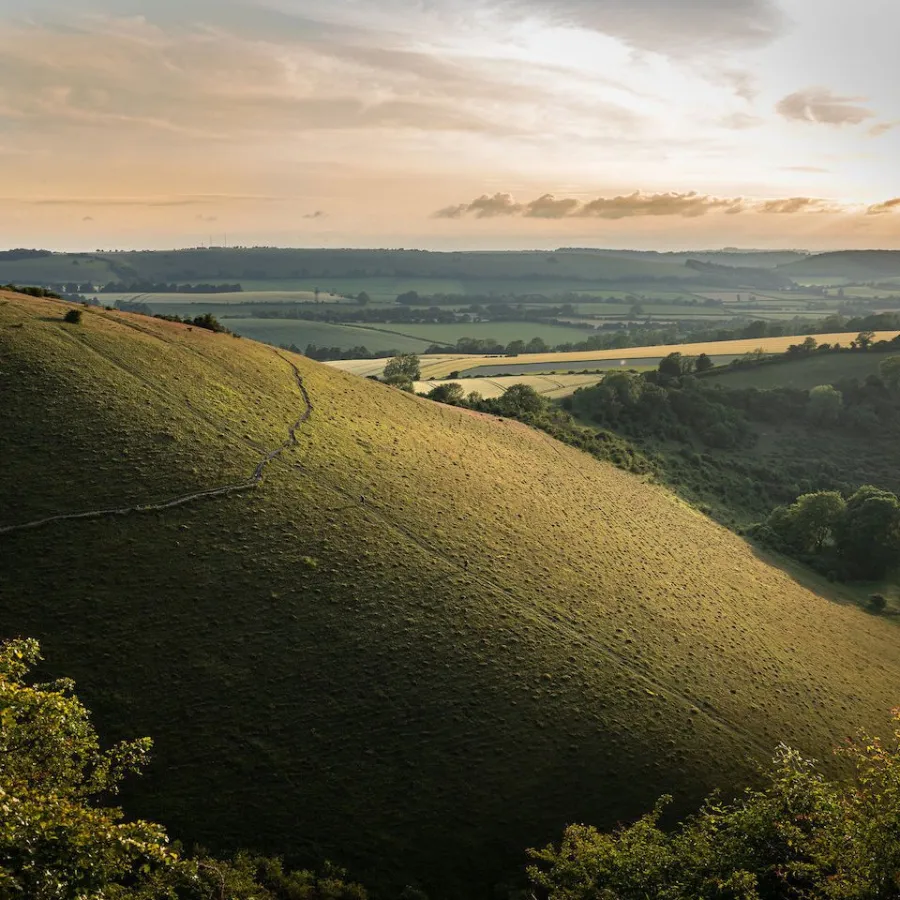
Whilst in this area, it would be a shame to limit yourself to just one spot. The surrounding region offers much more.
- Queen Elizabeth Country Park: Over 2,000 acres of woodland, superbly prepared cycling paths, horse riding trails, and children’s playgrounds. It is definitely worth combining these two locations into one full-day trip.
- Butser Ancient Farm: Just a few minutes’ drive from here is an incredible reconstruction of an Iron Age settlement, a Roman villa, and Anglo-Saxon buildings. It is a brilliant, interactive history lesson that both adults and children will love.
- Petersfield: A charming market town, perfect for an afternoon stroll around the historic market square, shopping in independent boutiques, or dinner in one of the traditional English pizzerias or pubs.
Support local: Where to eat and relax?
At Portsmouth.PL, we always encourage supporting local businesses. After an intense walk, you will certainly have worked up an appetite. Instead of heading straight home, drive down to nearby Petersfield or Clanfield. In these charming villages, you will find traditional pubs with roaring fires (e.g. The Hampshire Hog), serving classic British Sunday Roasts made from local produce, as well as cosy cafes with homemade bakes. Check out our directory of local businesses on portsmouth.pl to find the top-rated eateries within a few miles of the summit!
Landscape photography: How to capture the magic here?
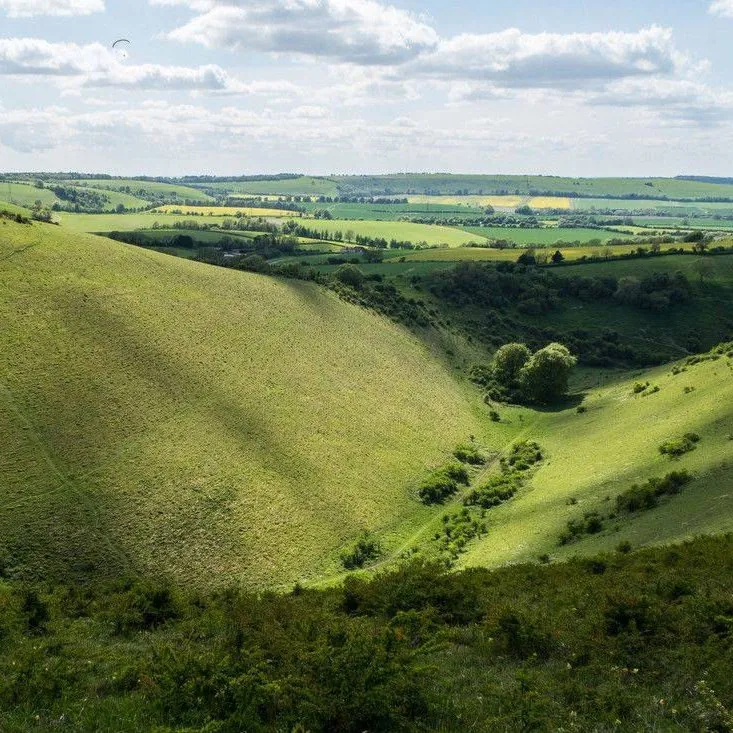
For photography enthusiasts, this is a truly magical place. To get the best shots, we recommend arriving during the “golden hour” – just after sunrise or just before sunset. The chalk paths and tall grasses then take on an incredible, warm glow, and the long shadows beautifully sculpt the undulating terrain. Because of the strong winds at the summit, your tripod needs to be very sturdy. It is worth bringing both a wide-angle lens (to capture the sheer scale of the space) and a telephoto lens (to zoom in on the outlines of ships on the Solent or the details of distant villages).
In summary, Butser Hill is undoubtedly one of the brightest spots on the region’s tourist map. Whether your goal is to explore the wildlife that made the South Downs National Park famous, search for ancient history, or simply tick off another spot while searching for the best Hampshire viewpoints, this peak will meet all your expectations. Pack comfortable shoes, charge your camera, and hit the road – majestic views are already waiting for you! And remember to regularly visit the Portsmouth.PL portal for more inspiration on local excursions.