

Author: Andrzej Majewski

  • Amazing accommodation in Portsmouth: Your spring guide

    Spring has finally arrived – the wonderful season when the British coast truly awakens, and the gentle sea breeze becomes pleasantly refreshing rather than piercing. The landscape of global tourism is changing rapidly before our very eyes. Today’s modern, discerning travellers have largely moved away from seeking out standardised, soulless, and massive corporate blocks. Today, what truly matters is the “experience economy” – we crave absolute authenticity, outstanding local cuisine based on sustainable supply chains, a deep immersion into the local history, and the highest class of relaxation available. If you are planning a delightful trip to the south of England in the coming months, you are undoubtedly wondering where to stay. By choosing accommodation in Portsmouth and the surrounding charming towns such as Southsea, Gosport, or picturesque Emsworth, you are presented with an incredible array of possibilities that completely redefine the concept of British hospitality.

    In our comprehensive, extensively researched spring guide, we take a remarkably close look at carefully selected, magnificent properties. We will introduce you to establishments where fascinating history seamlessly blends with rigorous, premium-class service standards. Let us dive deep into the fascinating world of luxury on the vibrant Solent coast!

    Stunning accommodation in Portsmouth with a historical backdrop

    A springtime stroll following the trail of English heritage simply would not be complete without a stay in places whose very walls remember centuries of fascinating, often turbulent, historical events. The segment of historic inns offering boutique lodging is currently the most intriguing and rapidly growing branch of the hospitality industry in the region.

    Ye Spotted Dogge – murder, rich history, and extreme exclusivity

    Located right in the heart of the oldest part of the city, Old Portsmouth, just a short fifteen-minute stroll from the world-renowned Historic Dockyard and the famous Mary Rose Museum, lies an absolutely unique property – Ye Spotted Dogge. This is substantially more than just a standard tourist base. When finding accommodation in Portsmouth with such an incredible pedigree, you are essentially booking a first-class ticket to the past. The exposed wooden beams of this magnificent building, according to experts from English Heritage, date back to 1450! It was precisely here, in August 1628, that a desperate naval lieutenant notoriously murdered the first Duke of Buckingham – this dark, historical event, vividly described in the famous diaries of Samuel Pepys, has become an integral part of the brand’s unique identity, and inside, you will even find a chilling replica of the weapon used in that very crime.
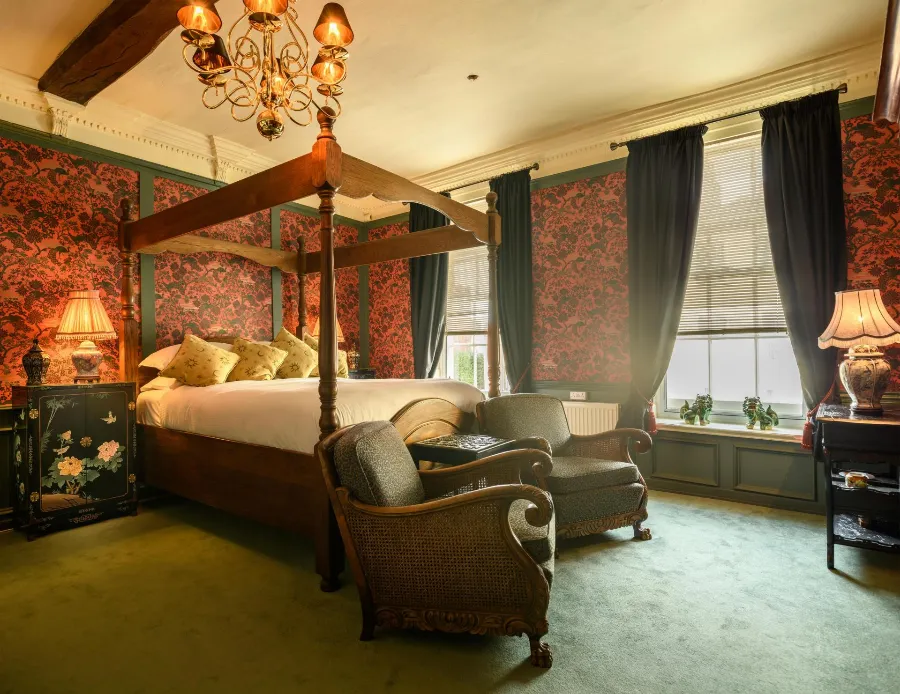
    accommodation in Portsmouth Ye Spotted Dogge

    The contemporary operational model of Ye Spotted Dogge is a profound nod to the highly demanding client. It offers merely six individually designed, breathtaking rooms (including a stunning room with authentic period panelling). Guests are treated to crisp Egyptian cotton bedding and bespoke vegan toiletries featuring natural seaweed extract. Importantly for those seeking absolute peace and quiet during their spring relaxation: the property maintains a rigorous, non-negotiable policy of rejecting bookings for stag and hen parties. The absence of an in-house restaurant is more than adequately compensated for by phenomenal continental breakfasts served in a genuinely spectacular, historic courtyard.

    The Crown Inn – the maritime atmosphere of Emsworth

    For discerning travellers who prefer the quieter outskirts of a large city, the charming town of Emsworth, located approximately 10 miles away, will be an absolutely ideal proposition. The Crown Inn, proudly listed on the Grade II register of historic buildings, is a remarkable property that has featured in local chronicles since the late 17th century. Originating as an early coaching inn on the busy route to Brighton, it has gracefully evolved into the role of a vibrant, central community pub. It offers 8 meticulously restored and beautifully appointed en-suite rooms. While the historic walls in the centre of the town mean that lively pub life may unfold downstairs, the authentic atmosphere of maritime buzz and the outstanding breakfasts crafted from locally sourced Hampshire ingredients will easily satisfy any seeker of true local colour and culture.
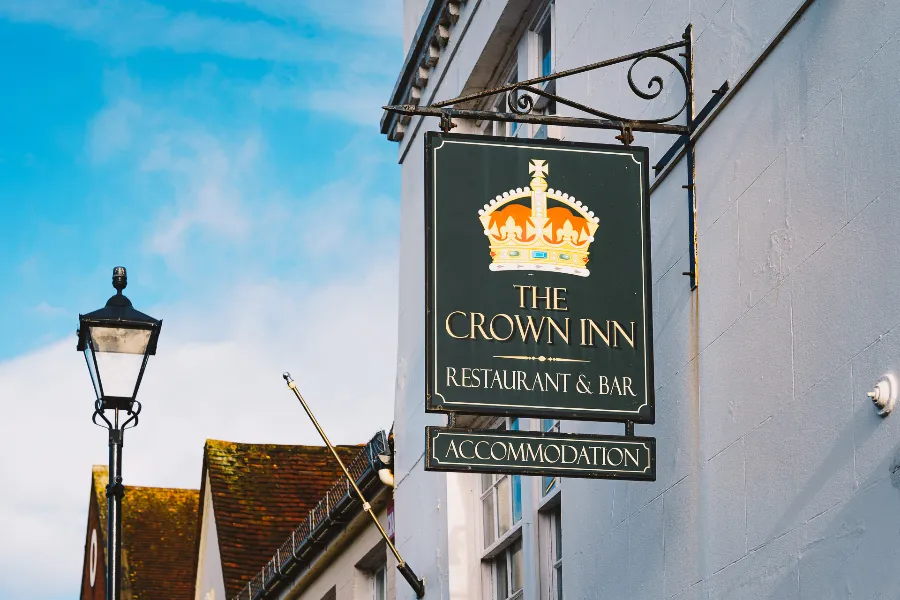
    accommodation in Portsmouth The Crown Inn Emsworth

    The Horse & Groom Inn – a culinary feast at the gates of the South Downs

    Situated slightly further afield, in the picturesque vicinity of Chichester, housed within a beautifully restored flint barn, is The Horse & Groom Inn. If the warming spring sun puts you in the mood for extraordinary culinary journeys, this place is an absolute triumph. The head chef’s highly skilled team, proudly awarded two prestigious AA Rosettes, serves what can only be described as poetry on a plate. By utilising premium Ruby Red beef from trusted local suppliers (meticulously dry-aged for 40 days) alongside freshly caught local crabs, they elevate this charming inn to a level on par with the region’s finest fine-dining restaurants. The ten bedrooms offer, among other features, modern rainfall showers that provide a brilliant, striking contrast to the 17th-century history of this former village smithy.
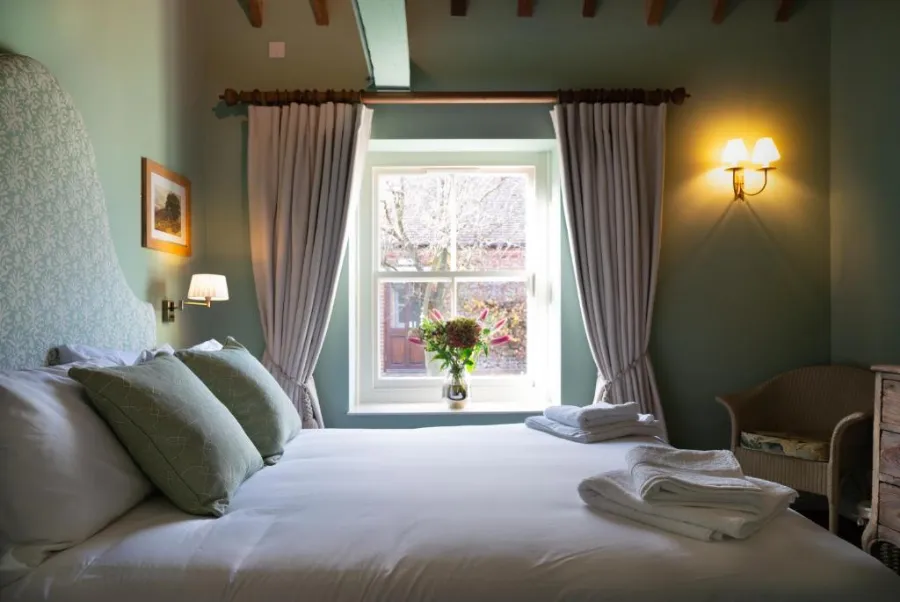
    accommodation in Portsmouth The Horse and Groom Inn Chcester

    The Hampshire Hog – an active spring getaway in Clanfield

    Spring is undeniably the perfect time for cycling and long, scenic hikes. At The Hampshire Hog in Clanfield (part of the esteemed Fuller’s network), a former historic tollhouse on the old route to Portsmouth has been brilliantly transformed into a veritable paradise for the active tourist. Boasting excellent repair facilities for cyclists, rapid electric vehicle (EV) charging stations, and a remarkably fast motorway connection (just a 20-minute drive to the bustling centre of Portsmouth), the property perfectly combines lifestyle-focused interiors (featuring Nespresso coffee machines and expansive, comfortable beds) with an incredibly welcoming, dog-friendly attitude. For families planning to spend their spring exploring the breathtaking South Downs Way trail, this is an utterly flawless choice.
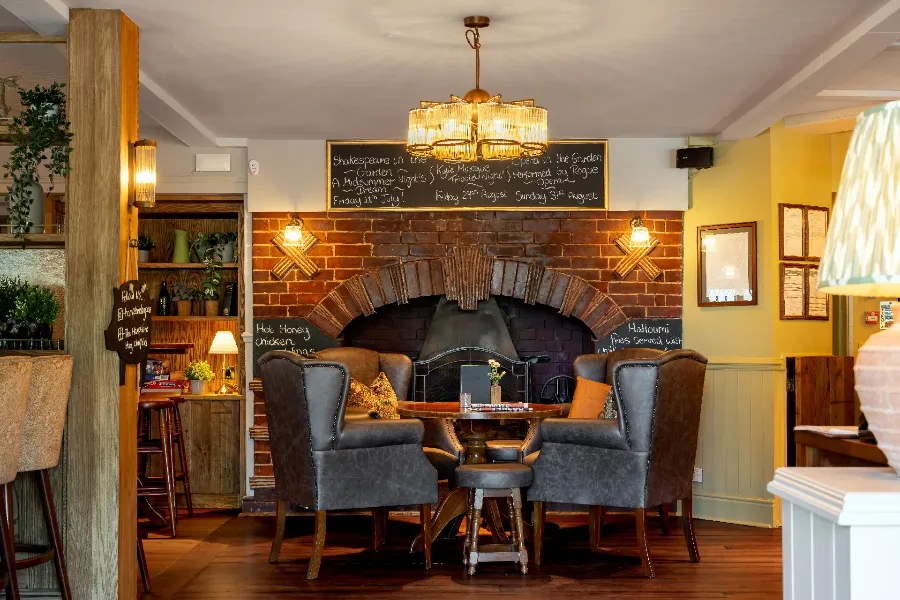
    accommodation in Portsmouth The Hampshire Hog Clanfield

    Hotels in Southsea: A boutique renaissance on the glorious coast

    When we think of the most innovative and stylish places to stay in our region, the exclusive seaside district with its elegant Victorian and Edwardian architecture immediately comes to the forefront. The careful renovation of classic townhouses is currently a massive trend, and the best hotels in Southsea perfectly exemplify how to masterfully combine the charm of the past with cutting-edge, modern design and welcoming intimacy. They resolutely reject the impersonality often associated with gigantic corporate chains.

    The Mercer Collection – Florence Gardens and a gastronomic revolution

    A true, pioneering force in this boutique market is the impressive Mercer Collection network. By astutely analysing the market, instead of erecting a single massive block, they strategically incorporated several neighbouring Edwardian villas along a single, elegant street, creating a luxurious, self-contained ecosystem. The Florence Gardens Boutique Hotel & Restaurant is a genuine pearl in this impressive crown. Here, you will find gorgeous rooms tailored to the highest standards of eco-friendly travel, fully equipped with sustainable Anyah vegan cosmetics and featuring breathtaking freestanding baths. Furthermore, the complex’s dedicated Garden Restaurant bakes magnificent, flavourful dishes in a traditional wood-fired oven, offering an uncompromising, top-tier gluten-free and plant-based menu. A warm spring evening spent wandering its enclosed, tranquil garden paths is nothing short of pure magic.
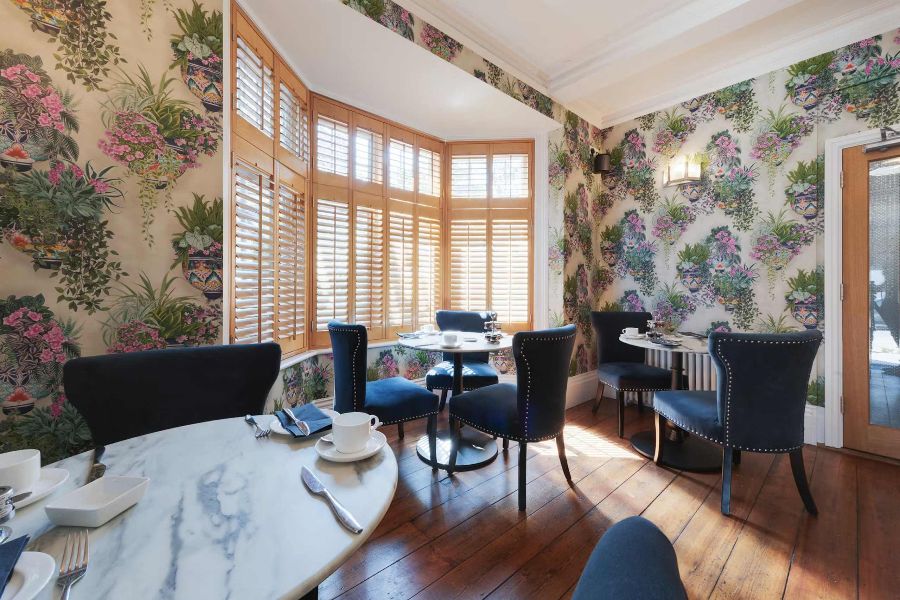
    Mercer – Florence Gardens accommodation in Portsmouth

    The Clarence Boutique Rooms – an elite, adults-only oasis

    The management team at The Clarence took an exceptionally bold and highly successful step by implementing a strict “Adults-Only” policy. In a hospitality world where maximum occupancy is frequently the sole goal, The Clarence focused entirely on providing absolute, uncompromising intimacy. These fantastic hotels in Southsea guarantee a complete absence of noisy school groups or boisterous corporate integration parties. Eight darkly romantic, fully air-conditioned bedrooms finished to an incredibly luxurious standard, adorned with stunning freestanding baths located directly within the bedroom space, consistently achieve astronomical scores in guest reviews for cleanliness (often hitting 9.6/10). Advanced digitisation and seamless self-service entry systems effectively minimise contact with staff, giving couples an unparalleled sense of total, blissful seclusion.
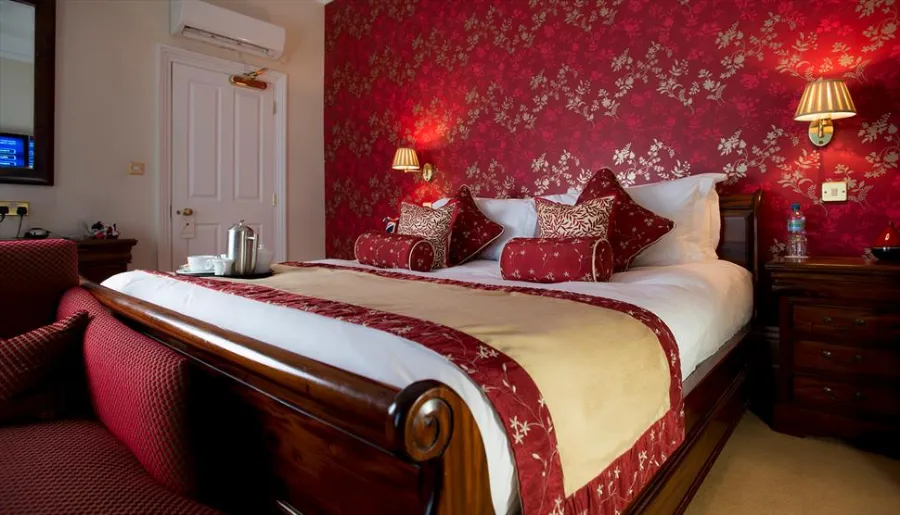
    accommodation in Portsmouth The Clarence Boutique

    Becketts Southsea – uncompromising, stunning design

    If you are dreaming of a vibrant spring city break right next to the sea, direct your steps immediately to Becketts Southsea. Following a massive, highly ambitious renovation project spanning over two and a half years (which was rightly awarded by the Portsmouth Society), an architectural masterpiece was successfully extracted from former Grade II listed Georgian townhouses. Industrial tiles, beautifully sandblasted wood, and a relaxed “beach house” aesthetic combine to create an incredible, highly desirable lifestyle atmosphere. The venue also became famous as the very first in the city to offer the widely beloved “bottomless brunch” format, and an incredible night’s sleep is virtually guaranteed thanks to the top-tier Simba foam mattresses and fully blackout curtains provided in every single room.
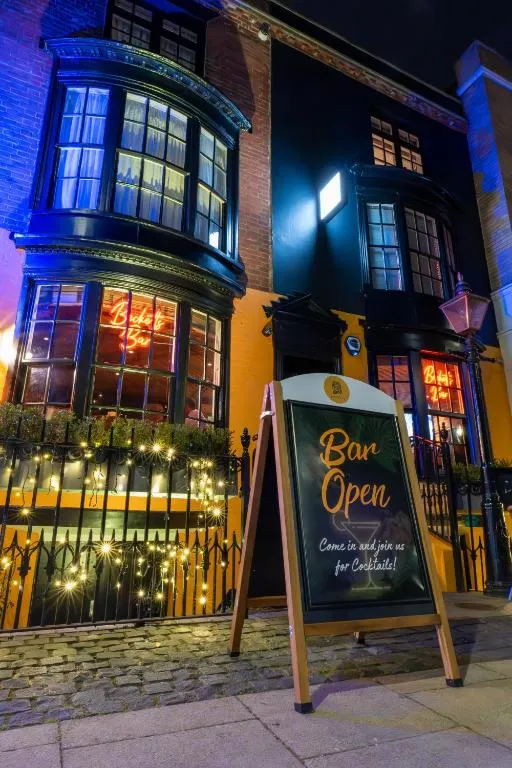
    accommodation in Portsmouth Becketts Southsea

    Luxury hotels Portsmouth and exclusive spa retreats

    For those with the very highest expectations, seeking extensive, world-class infrastructure and large-scale relaxation, the Hampshire region offers some truly outstanding commercial implementations. By choosing these luxury hotels Portsmouth and the premium properties surrounding the harbour, you are betting on the absolute highest level of wellness and comprehensive spa services available.

    Ashby’s Accommodation & Spa Hire – your very own private coastal resort

    The post-pandemic travel trend heavily highlighted the growing need for the safe isolation of entire groups. In direct response, the brilliant model of Ashby’s in Southsea was created – an innovative hybrid of a former B&B and a massive, exclusive-use rental mansion. This remarkable place can comfortably accommodate anywhere from 16 to 30 people across nine enormous, well-appointed bedrooms. It is the absolute perfect venue for spring corporate retreats (away days) or large, joyous family celebrations. The available infrastructure simply takes your breath away: organised groups can exclusively purchase access to a private relaxation centre featuring two outdoor hot tubs, a traditional wooden outdoor sauna, a luxurious indoor sauna, and an innovative ice treatment room. As if that wasn’t enough, inside awaits a full-size pool table, a dedicated karaoke setup, and comprehensive cinema packages. It is quite literally a closed microcosm of pure relaxation.
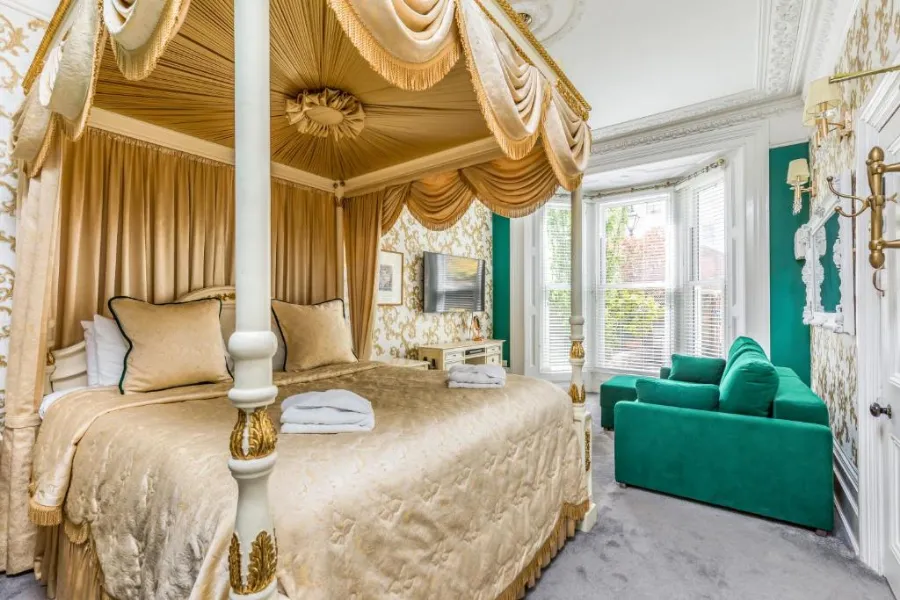
    accommodation in Portsmouth Ashby's Accommodation and Spa

    voco Fareham-Solent by IHG – corporate scale and efficiency

    If you are searching for something slightly more conventional but equally luxurious, the network property voco Fareham-Solent is an absolute titan of operational efficiency. Conveniently located right next to the motorway, serving as a premium logistical base for the Solent Business Park, the hotel completely sheds the unfair label of a boring roadside stop. With its 130 massive bedrooms featuring Super King beds, dedicated Open Lobby zones, and multiple electric vehicle charging stations, it perfectly meets the demanding needs of modern business leaders. The greatest asset here, however, is the massive Health Club, fully equipped with a large indoor heated pool, a comprehensive full-size gym, and extensive thermal zones. Such luxury hotels Portsmouth and its surrounding areas are an absolute guarantee of quality endorsed by the global IHG group. We must also mention the magnificent Harbour Hotel in Southampton, with its highly advanced HarSPA space, for managers who prefer the waterfront scenery just slightly further afield.

    accommodation in Portsmouth voco Fareham Solent

    The Queens Hotel – the glorious return of the Edwardian baroque king

    Every significant city on the southern coast of the UK must have its own flagship, monumental mega-project that stimulates the entire surrounding local economy. The Queens Hotel is living, breathing history, perfectly located right next to Southsea Common, boasting an absolutely insane, panoramic view of the Solent and the Isle of Wight (which looks particularly spectacular in the bright spring sunshine). Rebuilt in 1903 following a devastating fire, this Edwardian-baroque monument with its highly characteristic brown terracotta underwent an absolute, multi-million-pound revitalisation following 2017. The astonishing discovery of magnificent floor mosaics that had been hidden under carpets for 50 years is merely a foretaste of the luxury within. The highly renowned Restaurant 1865 offers exquisite, traditional Afternoon Tea. The spacious family suites in this giant represent the absolute highest price tier on the coast, frequently attracting celebrities and clearly confirming that the city is firmly in the game for the highest tourism stakes.
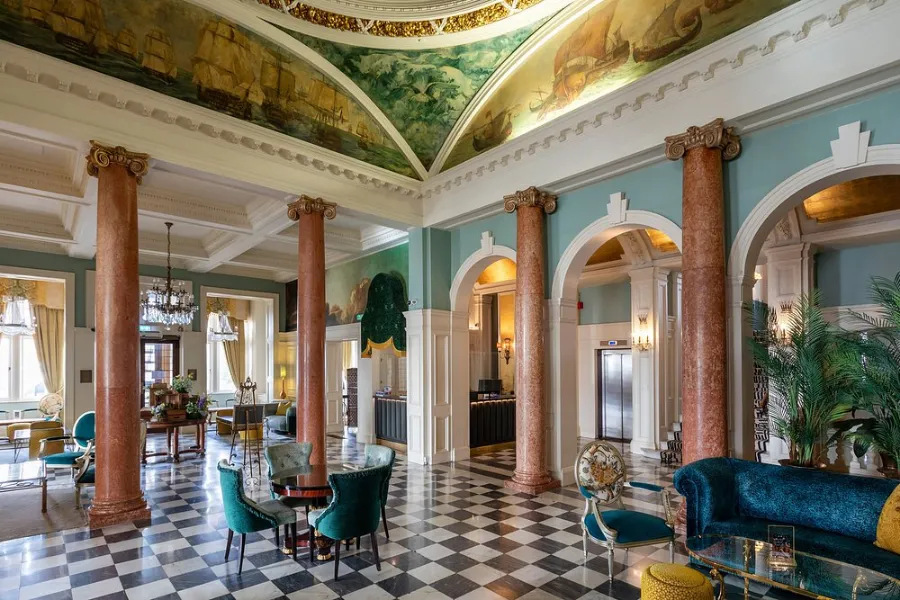
    accommodation in Portsmouth The Queens Hotel

    Modern guesthouses: The incredible B&B revolution

    The final, but equally important segment, consists of the classic Bed and Breakfast guesthouses, which in recent years have undergone a profound and highly successful digital transformation. When searching for the ideal accommodation in Portsmouth, it is well worth looking at properties that have intelligently optimised their offerings, cutting unnecessary overhead costs whilst heavily investing in flawless, impeccable traveller comfort.

    The Pier – smart, accessible technology at your fingertips

    Standing proudly in the shadow of the former glory of the South Parade Pier, where music legend David Bowie once famously performed, The Pier guesthouse has been modernised to absolute perfection. Boasting just five B&B rooms, it consistently achieves maximum ratings (an incredible 9.9/10 for service!). The secret to its phenomenal success is the clever implementation of smart access cards at all touchpoints and modern, highly efficient capsule bathrooms in a “pod” style (heavily inspired by functional Japanese hotels). Excellent, complimentary digital amenities set within beautiful Victorian walls create the perfect, unbeatable price-to-quality ratio here.
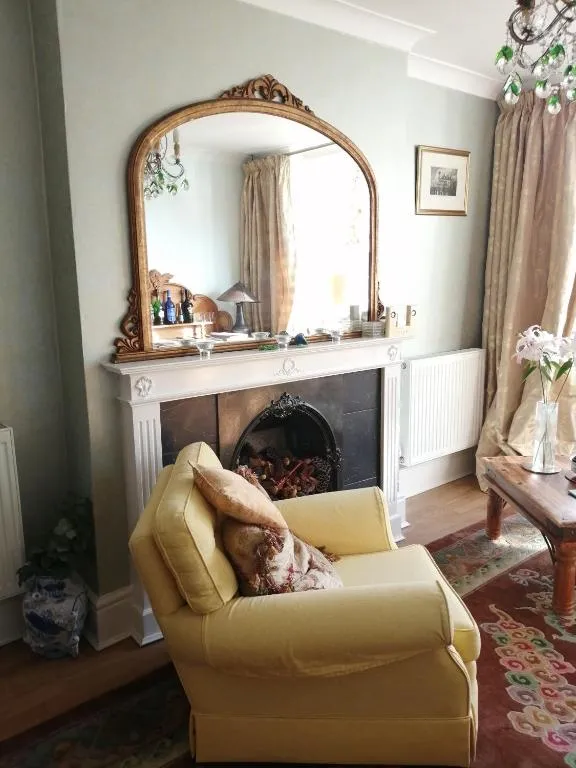
    accommodation in Portsmouth The Pier B&B Portsmouth

    Spring Garden Guest House – ultimate flexibility and freedom across the bay

    Just across the shimmering bay, in the quiet and peaceful town of Gosport (a mere four-minute fast ferry ride from the Portsmouth Historic Dockyard), you will find the delightful Spring Garden Guest House. This beautiful, expansive Victorian house completely eliminated the traditional breakfast system in favour of creating highly advanced “Extended Stay” apartments featuring full-sized kitchens. Such brilliant flexibility in an era where travellers are seeking clever savings is an absolute bullseye for families. The funds saved were wisely reinvested into fantastic communal spaces featuring an extensive Game Room and high-quality pool tables. This is an ideal, more affordable, and brilliantly organised alternative to the often crowded southern island.
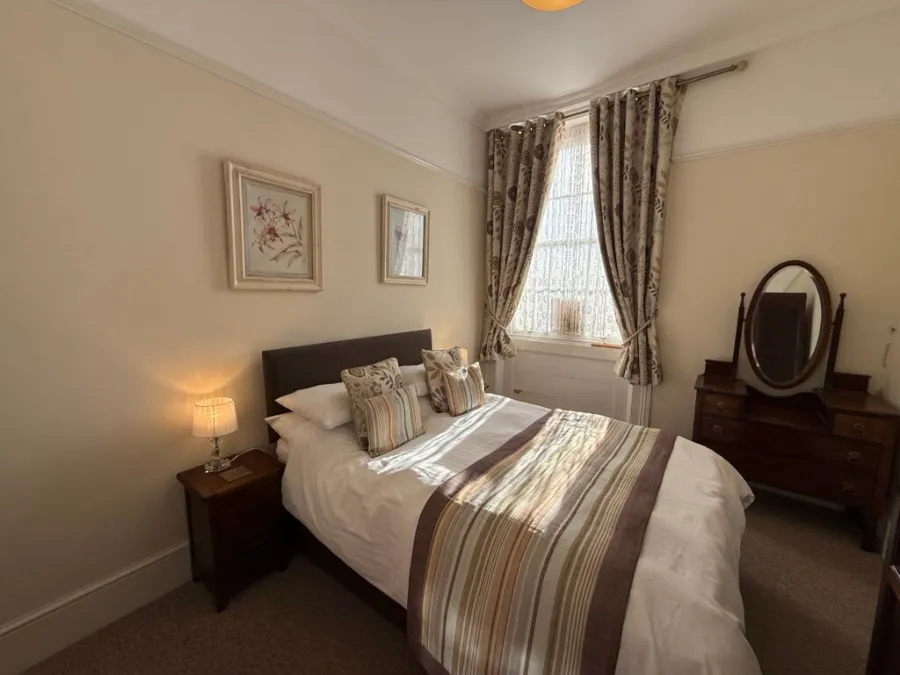
    accommodation in Portsmouth Spring Garden

    How to plan your spring commutes?

    Excellent transport accessibility is the fundamental basis of any successful spring holiday. When carefully analysing the map, it is well worth paying close attention to a few key aspects:

    • Old Portsmouth (e.g., Ye Spotted Dogge): Absolutely ideal for walking (approx. 15 minutes to the Historic Dockyard). You must factor in paid, municipal parking due to the highly restricted, historic nature of the zone.
    • Southsea (The Mercer Collection, The Pier): A very quick, 10-minute taxi ride from the popular Gunwharf Quays shopping centre, but most importantly – direct, unimpeded access to the beautiful seaside promenades (Millennium Walkway) and the world’s only commercial hovercraft station to the Isle of Wight (Hoverport).
    • Gosport (Spring Garden): You completely bypass the often heavy traffic jams on Portsea Island. You simply leave your car on-site, enjoy a short walk to the marina, and after a remarkably quick 4-minute ferry crossing, you land right in the very heart of the historic centre.
    • Motorway Suburbs (voco Fareham, Hampshire Hog): A brilliant choice for those travelling heavily by car. Instantaneous access to the major transport hub connecting with Southampton, and absolutely zero problems with parking spaces.

    Summary

    Spring is the beautiful moment of awakening, and the southern coast of England in the Hampshire region is more ready for it than ever before. Regardless of whether your plans involve massive, luxury hotels Portsmouth featuring SPA zones that completely detach you from reality, deeply historic inns telling captivating stories from hundreds of years ago, or perfectly revitalised, intimate hotels in Southsea designed purely for couples – the local hospitality ecosystem will undoubtedly satisfy even the most highly refined tastes. The experience economy is absolutely thriving here. Book your dream spring getaway today, immerse yourself deeply in the rich coastal culture, taste the incredible local flavours, and thoroughly enjoy a perfect, unforgettable British holiday.
    Frequently Asked Questions (FAQ) – Accommodation in Portsmouth

  • Incredible Portsmouth Museum: The Ultimate Visitor Guide

    Incredible Portsmouth Museum: The Ultimate Visitor Guide

    Portsmouth is an absolutely unique place on the map of Great Britain. Functioning in our geographical awareness as the only British city located entirely on an island (Portsea Island), it constitutes a fascinating cultural and urban phenomenon. If you are planning your stay and wondering where to begin your exploration, there is only one answer. Portsmouth Museum (Portsmouth Museum and Art Gallery) is the cultural lifeblood of the city and the perfect starting point for any tourist. This is where centuries of naval supremacy meet the dynamic transformations of the Victorian era, and the literary echoes of Britain’s greatest creators still resonate within historic walls.

    Portsmouth Museum

    Located on Museum Road (postcode PO1 2LJ), this remarkable venue is not merely a dull warehouse of dusty artefacts. It is a dynamic and incredibly modern educational platform. For lovers of maritime tales, fans of detective mysteries, or families looking for smart entertainment, this is an absolute must-see. Moreover, keeping in line with a modern policy of inclusivity, this institution offers free access to its permanent galleries! Join us for an in-depth guide that will uncover the deepest secrets of this place.

    From Military Bastions to a Temple of Culture: The Fascinating History of Portsmouth

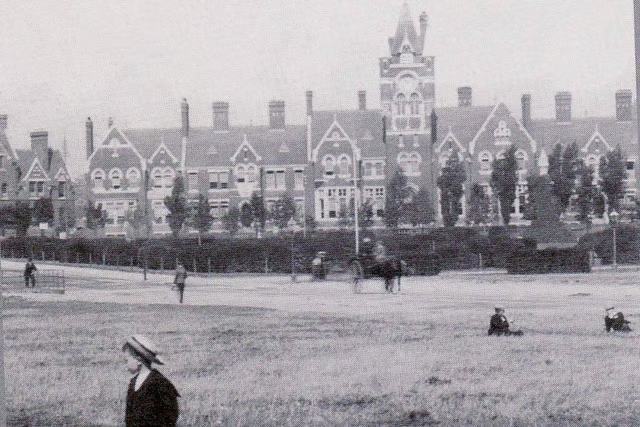
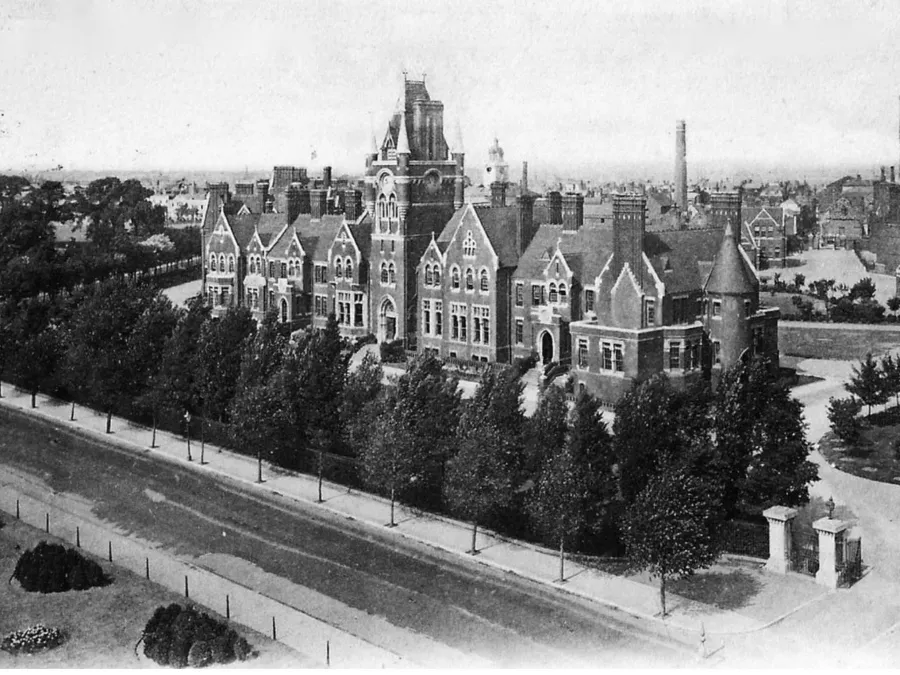
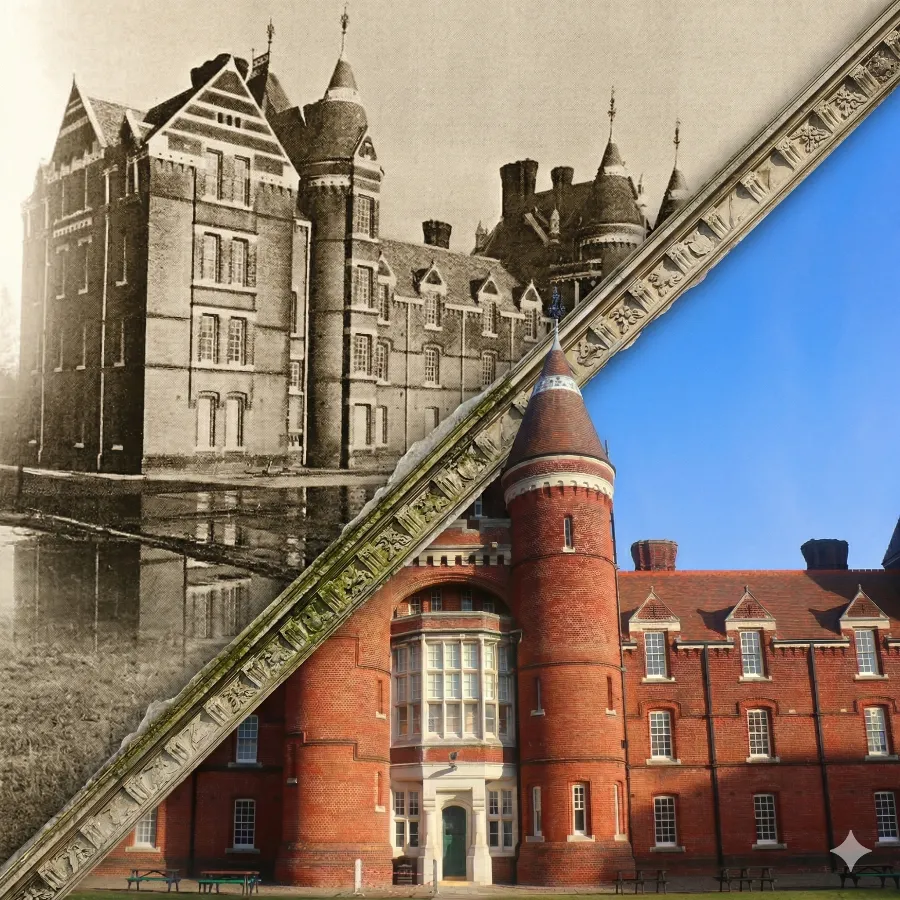
    Understanding the importance of the collections is impossible without knowing the fate of the building itself. The premises currently housing the Portsmouth Museum are a material witness to turbulent geopolitical transformations. The site has deep military roots dating back to the 17th century when the foundations of the local fortifications were shaped under the watchful eye of the eminent Dutch engineer, Bernard de Gomme.

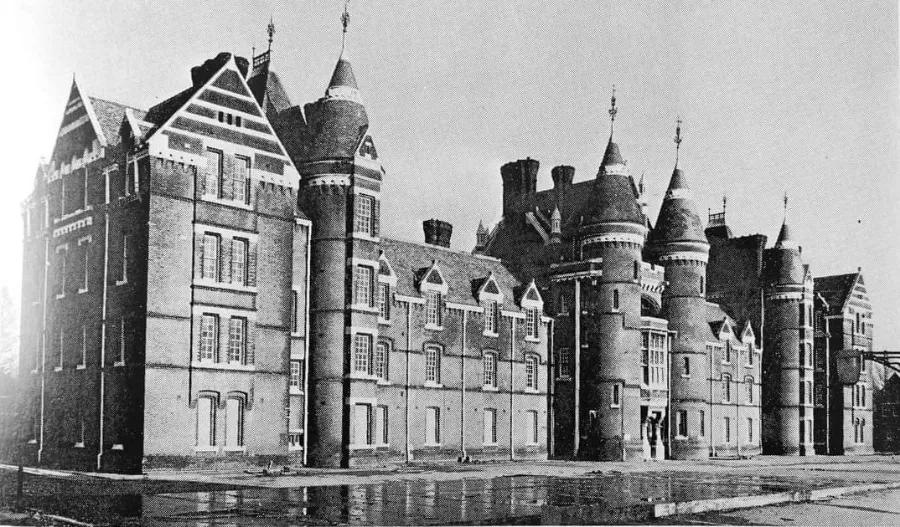
    Portsmouth Museum 1898

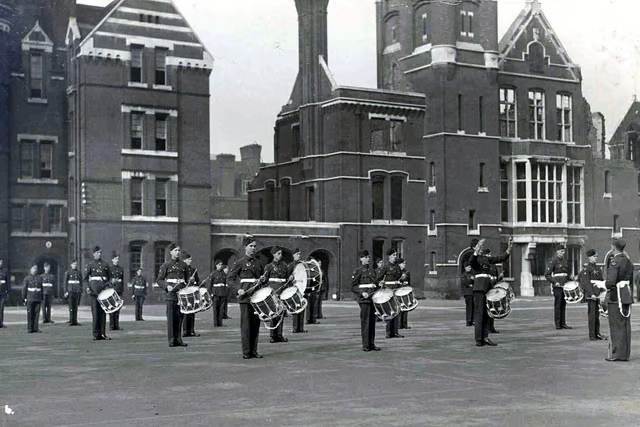
    The rich history of Portsmouth is literally carved into every stone here. In 1760, the Fourhouse Barracks were erected on this site (the name originated from four royal breweries supplying beer to the fleet). Then, in 1893, with the use of forced convict labour, impressive red-brick officers’ quarters were built – today’s museum building. An interesting fact is that the local working-class community, out of sheer pity, secretly fed the working prisoners sweets and tobacco. One of the convicts, carving intricate heraldic details, was treated so well that after his sentence had expired, he actually asked to stay on just so he could complete his artistic masterpiece!

    Portsmouth Museum Victoria Barracks ruins

    We must also mention the tragedy of the Second World War. The original city museum was located on High Street. Anticipating the worst, the heroic staff evacuated the most valuable collections in 1940. This decision proved to be a lifesaver, as in March 1941, during a massive Luftwaffe bombing raid (known as the Portsmouth Blitz), the old building was reduced to absolute ruin. The treasures that survived the flames eventually found their magnificent new home in the surviving barracks in 1972.

    Time Travel: “Story of Portsmouth” and the Evolution of Daily Life

    One of the greatest reasons to visit the Portsmouth Museum is the absolutely phenomenal “Story of Portsmouth” exhibition. Forget about boring display cabinets. Here, the curators have opted for an immersive chronological narrative, creating advanced period rooms. It is a genuine time machine!

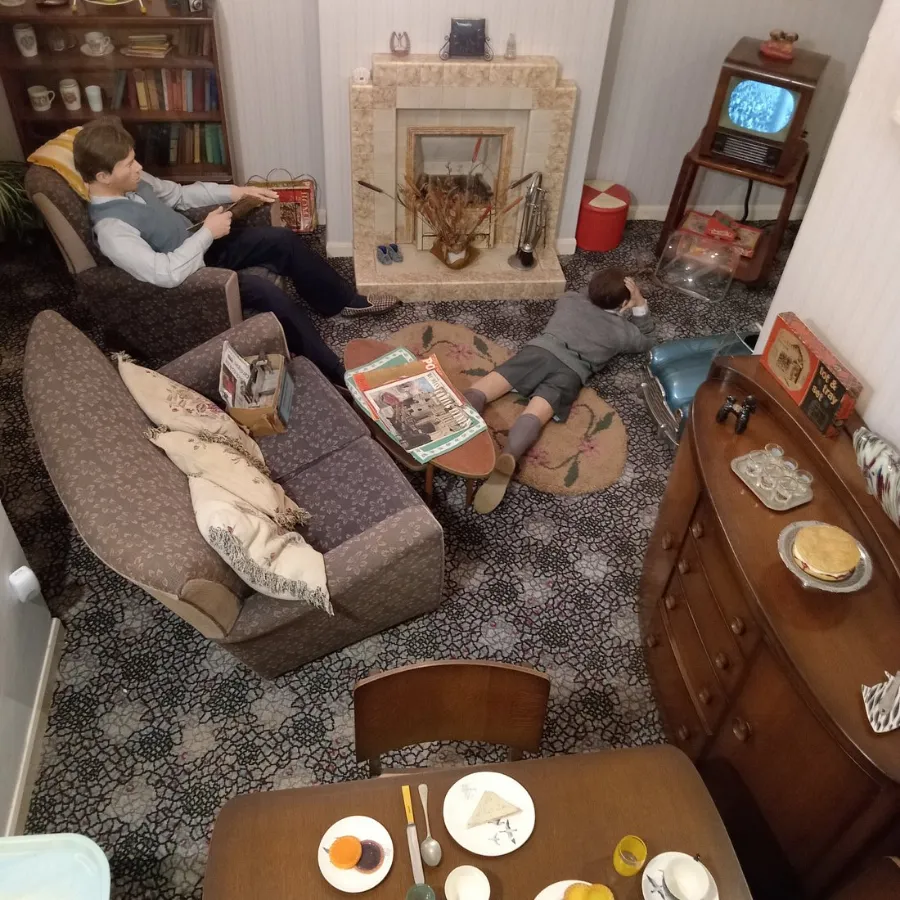
    Portsmouth Museum room '50s

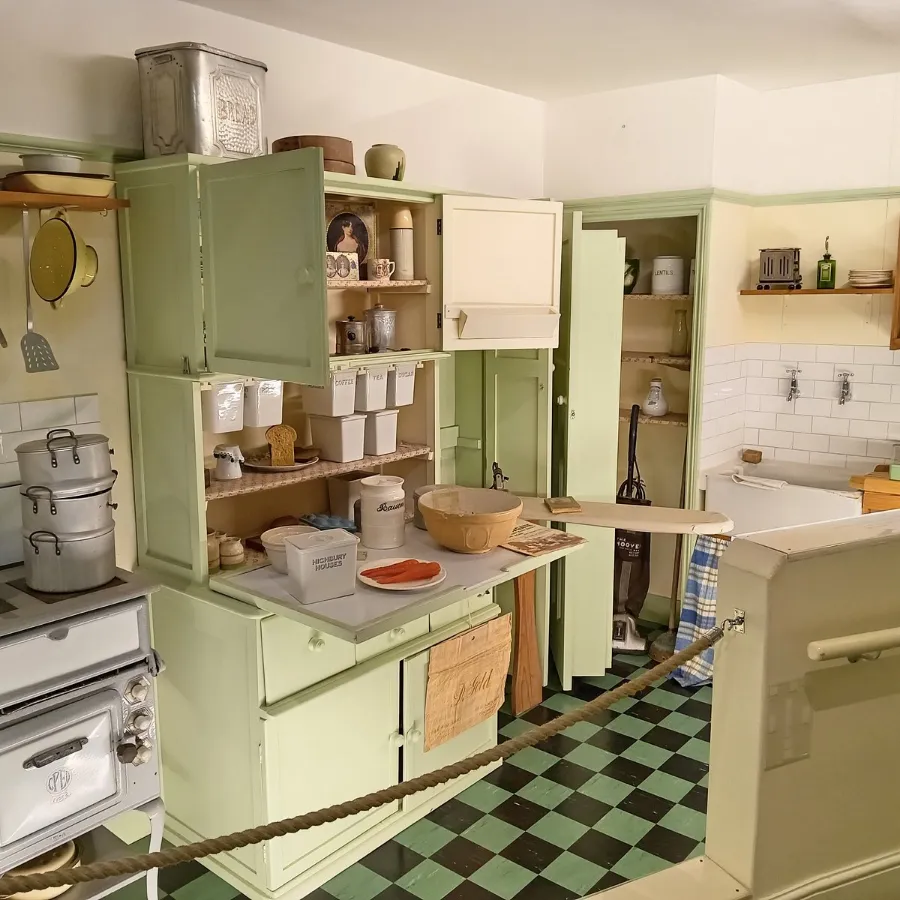
    Your journey begins in an austere, 17th-century bedroom. You will quickly realise how dark and cold old households were, illuminated only by the faint glow of candles through small leaded window panes. Then, you will collide with the brutal reality of the industrial era in a reconstructed dockyard worker’s kitchen from 1871. This cramped and utilitarian space stands in stark contrast to the opulence of the Victorian parlour exhibited nearby, overloaded with trinkets and indicative of upper-middle-class status.

    Portsmouth Museum Kitchen 1871

    Subsequent rooms take you straight into the 20th century. You will see a fascinating 1930s dining room in an early glamour style, inspired by Hollywood culture, before finally landing in a loud, colourful 1950s living room, where the television set already takes centre stage. It is a real treat for enthusiasts of anthropology and interior design.

    Top Portsmouth Attractions: Sherlock Holmes and Spiritualism

    If you ask literary travellers about the top Portsmouth attractions, they will undoubtedly point to this museum because of one name: Arthur Conan Doyle. It was right here, in the Southsea district (specifically at Bush Villas), that the writer opened his medical practice in 1882. Because patients were scarce and bills had to be paid, the young doctor started writing short stories. That is how the most famous detective of all time was born!

    Portsmouth Museum Sherlock Holmes

    The Portsmouth Museum holds one of the world’s largest and most valuable private collections dedicated to Sherlock Holmes – The Arthur Conan Doyle Collection (the Richard Lancelyn Green Bequest from 2004). The collection, valued at over £3 million, includes 40,000 unique documents, alongside thousands of rare books and artefacts.

    The absolute “Holy Grail” of this collection is an immaculately preserved, completely intact copy of “Beeton’s Christmas Annual 1887”. It was in this very publication that the first Holmes novel, “A Study in Scarlet”, saw the light of day. There are only a dozen or so such complete copies left in the entire world! Due to its extreme fragility, this rarity is seldom displayed, but just the awareness of being in the presence of such a collection gives you goosebumps.

    The exhibition also sheds light on the author’s darker, controversial post-WWI interests – spiritualism. You will see, among other things, the original wooden memorial plaques from Sir Arthur’s grave, which were rejected by the church cemetery. The museum also provides interactive activity trails and detective puzzles that turn the whole experience into a fascinating field game for amateur sleuths!

    “Pompey”: The Island City, Fortress, and Temple of Football

    The tradition and unique local patriotism of the residents (who proudly refer to themselves as “Pompey”) is another pillar of the exhibition. Understanding how the history of Portsmouth shaped the tough, dockyard character of its people is the key to feeling the true vibe of this city. The city squeezed and expanded on a closed island, becoming one of the most heavily fortified places on earth, where civilians lived in the shadow of cannons.

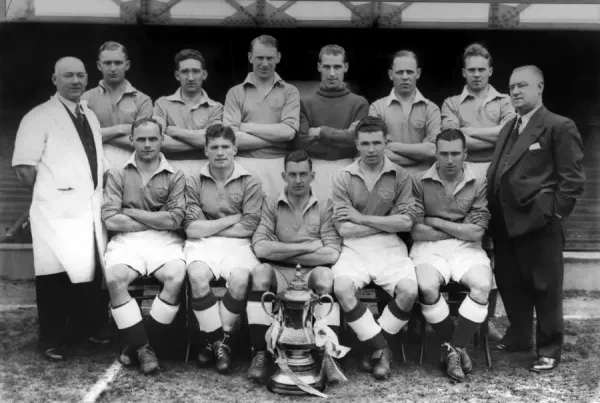
    Portsmouth Museum FA Cup 1939

    For the working-class society, sport was an escape from the hardships of dockyard life. The museum houses a fantastic gallery called “Football in the City”. For Portsmouth FC fans, this is a place of worship. You can see the original footballs from the 1939 and 2008 FA Cup finals. However, the greatest emotions are stirred by an old, authentic cast-iron turnstile from Fratton Park stadium. The clatter of its mechanism is a sensory childhood memory for generations of residents and the “gateway to the magical world of football”. (Practical note: the second floor housing this exhibition strictly closes at 4:30 PM!).

    Literary Echoes: Jane Austen in Paintings

    Although Sherlock Holmes plays the first fiddle here, a keen observer will notice wonderful references to the works of Jane Austen, who lived in Portsmouth between 1806 and 1809. The famous author’s brothers were distinguished Royal Navy officers. Austen utilised their knowledge while writing novels such as “Mansfield Park”.

    Portsmouth Museum Old Photo

    The Portsmouth Museum offers a free, intimate “Picture Gallery” filled with 19th-century dockyard and maritime landscapes. Looking at the canvases depicting the intricate rigging of ships moored at Spithead or the chaos of the early arms industry, a tourist can see the world through exactly the same eyes as Fanny Price, the heroine of “Mansfield Park”.

    A “Cabinet of Curiosities” and Incredible Design

    The fine and decorative art collections in this venue could put many a capital city gallery to shame. Here, you will discover wonderful Portsmouth attractions in the form of outstanding avant-garde art and Victorian craftsmanship. Of particular note is the giant, octagonal oak table designed by the father of British Gothic Revival, A.W.N. Pugin, and hand-painted furniture by the famous artistic Bloomsbury Group (including an extravagant cabinet by Duncan Grant).

    Do not miss the gems recommended by the museum staff as part of the “Staff Recommends” programme. Among them, you will find:

    • The Silver Porcupine: a bizarre, 18th-century toothpick holder from the naval hospital, rescued from the burning Guildhall in 1941!
    • A Model of a Disappearing Gun from 1870: a marvel of ballistic engineering.
    • Pedlar Dolls: fascinating Victorian conversation pieces from 1840.
    • The Skeleton of a Mole and a Flightless Kiwi Bird: fascinating osteological exhibits proving evolutionary theses.

    How to Plan Your Visit? A Practical Guide

    To fully harness the potential of this place, it is worth knowing a few operational details. This will make any trip much easier.

    • Location and Travel: The venue is located on Museum Road. You can walk here from Portsmouth & Southsea railway station in just 15 minutes. It is also excellently served by bus routes 3, 700, and 23.
    • Opening Hours: The Portsmouth Museum is open from Tuesday to Sunday, between 10:00 AM and 5:00 PM (remember that the football exhibition floor closes earlier, at 4:30 PM!).
    • Parking: This is a massive advantage in a densely built-up city! At the rear of the building, there is a completely free car park for visitors (locked when the museum closes).
    • Food and Drink: Inside, there is a charming café offering special discounts during the first hour of opening. In the summer season, it is mandatory to visit the beautiful gardens with a hidden playground and free outdoor games to borrow.
    • Accessibility for Everyone: The historic Victorian building has been rigorously modernised. It features lifts, levelling ramps, Evac+Chair evacuation equipment, and the place itself is incredibly friendly to families with young children and breastfeeding mothers.

    The history of Portsmouth is a tale of naval power, hard graft, literary genius, and immense courage. A visit to the Portsmouth Museum and Art Gallery is not just a walk amongst exhibits; it is a deep and thrilling experience of the identity of Great Britain’s truest maritime heart. We strongly recommend adding this spot as the number one item on your tourist itinerary!

    Frequently Asked Questions (FAQ)

  • Butser Hill: An Incredible Peak and Viewpoint

    Butser Hill: An Incredible Peak and Viewpoint

    If you are looking for the perfect escape from the city bustle and want to breathe in some fresh air, Butser Hill is a location you absolutely cannot miss. Rising proudly over the surrounding area, this impressive chalk massif is not only a paradise for nature lovers but also a place steeped in fascinating history. Whether you are planning an intense trek, a family outing with the dog, or simply want to sit on the grass and watch the sunset, this impressive peak will guarantee an unforgettable experience. We have prepared a complete guide for you so that your visit is perfectly planned.

    Why is Butser Hill a must-see on the tourist map?

    Measuring 271 metres above sea level, this elevation is officially the highest point on the chalk ridge of the South Downs. Its unique topography allows it to dominate the landscape, offering views that will literally take your breath away. When you stand right at the summit, you have a panorama stretching for tens of miles in every direction.

    Butser Hill

    For residents of Portsmouth and tourists visiting our beautiful coast, a trip to this hill is an excellent opportunity to be transported to a completely different, wild, and rugged world in just a 20-30 minute drive. Instead of ocean waves, you will be surrounded by the endless, rolling green hills that the South Downs National Park is famous for. This is where you will feel the true power of British nature, untainted by excessive urbanisation.

    History written in chalk: From antiquity to modern times

    This place is not just about magnificent nature; it is also a silent witness to thousands of years of human history. Walking across these lands, you are literally treading in the footsteps of our ancient ancestors.

    Butser Hill

    The Iron Age and Celtic heritage

    Archaeologists have discovered numerous pieces of evidence on the slopes showing that this area was intensively used as far back as the Iron Age and even the Bronze Age. Ancient farmers valued these chalky lands for their properties and ease of cultivation. Even today, a trained eye can spot the outlines of old earthworks and ancient field boundaries (known as Celtic fields). It is an incredible feeling to know that people farmed this land over two thousand years ago, braving harsh weather conditions.

    Military significance and HMS Mercury

    In more modern times, specifically during the Second World War and the Cold War, this area served an incredibly important strategic function. Due to its location and height, radar stations and communication systems were installed here. Just 2-3 miles away from Butser Hill, at the Leydene House estate (near East Meon), the famous Royal Navy shore establishment – HMS Mercury – was based. Between 1941 and 1993, it served as the main communications and navigation training centre for the British Navy. Although the base is no longer there, the spirit of history still lingers over these vast meadows.

    Nature and ecology: A unique National Nature Reserve

    For biologists and wildlife enthusiasts, Butser Hill is a true treasure. The entire area is classified as a National Nature Reserve and a Site of Special Scientific Interest (SSSI). Why is this so important? Because the chalk grassland you are standing on is one of the most threatened habitats in Europe – often referred to as the “European equivalent of rainforests” due to the incredible biodiversity per square metre.

    Butser Hill

    A botanical paradise: Orchids and rare herbs

    In spring and summer, the hill turns into a colourful carpet. The alkaline chalk soil is nutrient-poor, which, paradoxically, is brilliant news for rare plant species. The lack of dominance by aggressive grasses allows many unique flowers to bloom. If you are lucky (and have a keen eye), you can spot rare species of wild orchids here, including the bee orchid and the fragrant orchid. The air often smells of wild thyme and marjoram, which grow naturally on the sun-drenched slopes.

    The animal kingdom: From butterflies to birds of prey

    The abundance of flowers attracts an extraordinary number of insects. This reserve is home to many rare butterfly species, including the purple emperor, the chalk hill blue, and the grizzled skipper. Looking up at the sky, you can very often spot circling predators – buzzards, kestrels, and increasingly, majestic red kites, which effortlessly use the thermal currents forming over the steep slopes.

    How to plan the perfect trip? An active guide

    One of the greatest advantages of this place is its versatility. It will satisfy elderly walkers, families with prams, and extreme sports enthusiasts alike.

    South Downs National Park

    The best walking trails

    For those seeking a gentle stroll, the ideal solution is to park at the highest car park and leisurely walk around the summit plateau. The route is relatively flat and offers phenomenal views without the need for a steep climb. On the other hand, for more ambitious hikers, we recommend starting the trek at the bottom, in Queen Elizabeth Country Park, from where several marked (and quite steep!) trails lead straight to the top. The hill is also crossed by the famous long-distance trail, the South Downs Way, stretching all the way from Winchester to Eastbourne.

    Mountain biking and paragliding

    Due to the steep drops, the surrounding paths are a mecca for mountain bikers. There are dedicated, demanding downhill trails here. Furthermore, provided the wind is blowing in the right direction, the sky above the summit fills with the colourful canopies of paragliders and hang-gliders. It is one of the best and most popular spots for this sport in the south of England. The sight of people gliding freely over the edge makes a colossal impression and provides fantastic photo opportunities.

    The best Hampshire viewpoints: What will you see from the summit?

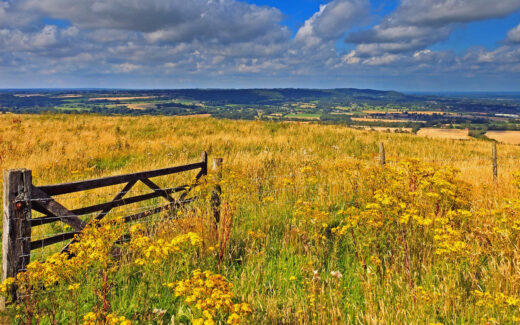
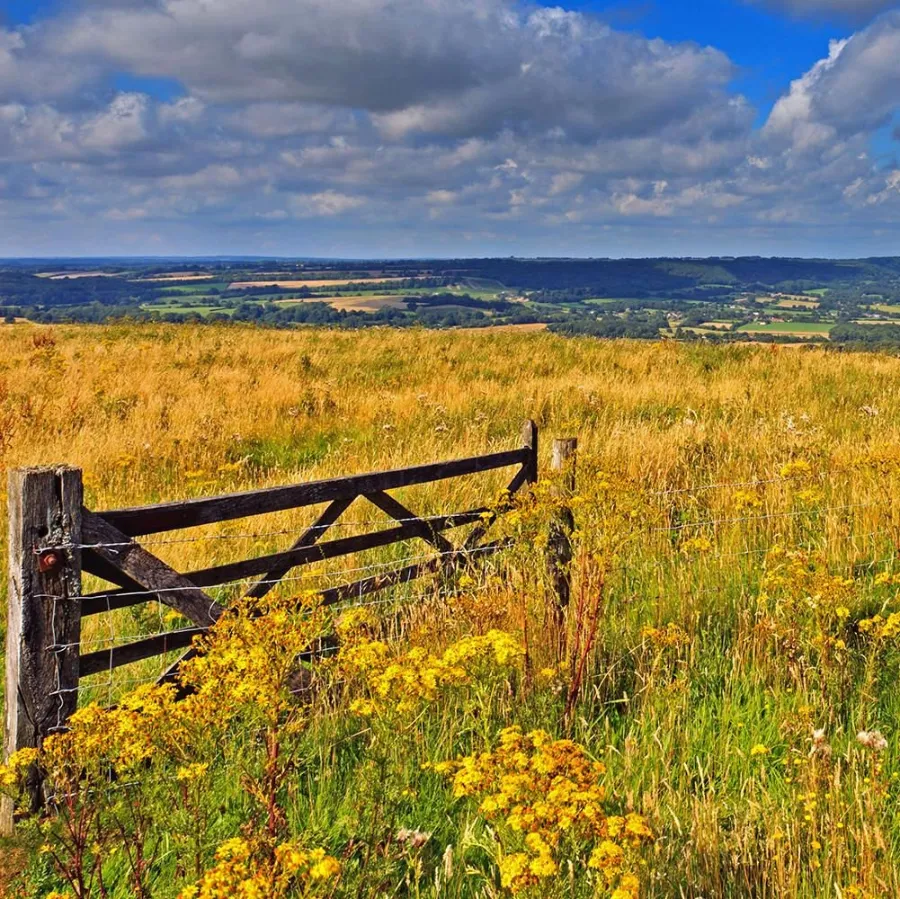
    Many people wonder where to find the most beautiful Hampshire viewpoints. The answer is simple: right here. On a clear, cloudless day, visibility reaches almost 40 miles (approx. 65 kilometres). Standing on the edge of the hill and looking south, you will clearly see the Portsmouth skyline, the iconic Spinnaker Tower, and further out, the shimmering waters of the Solent and the outline of the Isle of Wight. Looking north and east, your gaze will drown in an endless sea of green and the gentle, chalky elevations that so characterise the South Downs National Park. It is a place where you can truly feel the vastness of space.

    South Downs National Park

    Practical information: Access, car parks, and facilities

    To ensure your visit to Butser Hill is stress-free, it is worth knowing a few logistical details. The easiest way to get here from Portsmouth is by car, heading north on the A3 towards Petersfield.

    Where to park?

    There are two main parking options:

    1. The summit car park: Accessible via a picturesque, narrow slip road off the A3. It provides immediate access to the viewpoint without the need to climb. Fees are paid at the parking meters (it is worth having some loose change or the RingGo parking app installed).
    2. Queen Elizabeth Country Park: Located at the foot of the hill, on the other side of the A3. This is an excellent base camp for those who want to conquer the summit on their own two feet. There is a large visitor centre located there.

    Facilities:

    At the summit itself, the infrastructure is minimal (there are no permanent toilets or cafes here, with the exception of ice cream vans that periodically appear during the summer season). Full sanitary and catering facilities, including a well-stocked cafe serving delicious cakes and hot coffee, can be found at the Visitor Centre in Queen Elizabeth Country Park at the bottom.

    Throughout the seasons: When is the best time to visit?

    Every season paints this landscape in completely different colours.

    • Spring is a time of awakening, birdsong, and the blooming of the first flowers.
    • Summer attracts families with picnic baskets and kite-flying enthusiasts – warm winds are almost always guaranteed here. It is also the time of peak butterfly activity.
    • Autumn is a spectacle of mists enveloping the valleys (a temperature inversion in the morning can create a “sea of clouds” phenomenon below the peak) and rusty colours in the nearby woodlands.
    • Winter on this elevation can be harsh. The freezing wind can take its toll, but snow-capped (though snow is rare here) or heavily frosted peaks and crystal-clear frosty air offer the best possible visibility. Just remember to wear very warm, windproof clothing!
    Hampshire viewpoints

    Explore further: What to see in the area?

    Whilst in this area, it would be a shame to limit yourself to just one spot. The surrounding region offers much more.

    1. Queen Elizabeth Country Park: Over 2,000 acres of woodland, superbly prepared cycling paths, horse riding trails, and children’s playgrounds. It is definitely worth combining these two locations into one full-day trip.
    2. Butser Ancient Farm: Just a few minutes’ drive from here is an incredible reconstruction of an Iron Age settlement, a Roman villa, and Anglo-Saxon buildings. It is a brilliant, interactive history lesson that both adults and children will love.
    3. Petersfield: A charming market town, perfect for an afternoon stroll around the historic market square, shopping in independent boutiques, or dinner in one of the traditional English pizzerias or pubs.

    Support local: Where to eat and relax?

    At Portsmouth.PL, we always encourage supporting local businesses. After an intense walk, you will certainly have worked up an appetite. Instead of heading straight home, drive down to nearby Petersfield or Clanfield. In these charming villages, you will find traditional pubs with roaring fires (e.g. The Hampshire Hog), serving classic British Sunday Roasts made from local produce, as well as cosy cafes with homemade bakes. Check out our directory of local businesses on portsmouth.pl to find the top-rated eateries within a few miles of the summit!

    Hampshire viewpoints

    Landscape photography: How to capture the magic here?

    For photography enthusiasts, this is a truly magical place. To get the best shots, we recommend arriving during the “golden hour” – just after sunrise or just before sunset. The chalk paths and tall grasses then take on an incredible, warm glow, and the long shadows beautifully sculpt the undulating terrain. Because of the strong winds at the summit, your tripod needs to be very sturdy. It is worth bringing both a wide-angle lens (to capture the sheer scale of the space) and a telephoto lens (to zoom in on the outlines of ships on the Solent or the details of distant villages).

    In summary, Butser Hill is undoubtedly one of the brightest spots on the region’s tourist map. Whether your goal is to explore the wildlife that made the South Downs National Park famous, search for ancient history, or simply tick off another spot while searching for the best Hampshire viewpoints, this peak will meet all your expectations. Pack comfortable shoes, charge your camera, and hit the road – majestic views are already waiting for you! And remember to regularly visit the Portsmouth.PL portal for more inspiration on local excursions.

    Butser Hill – Frequently Asked Questions (FAQ)

  • Incredible Portsmouth Historic Dockyard: Ultimate Guide

    Incredible Portsmouth Historic Dockyard: Ultimate Guide

    Great Britain has been inextricably linked to the sea for centuries, and nowhere is this relationship more tangible than on the south coast of England. Portsmouth Historic Dockyard is undoubtedly the beating heart of British naval history. This is not just an ordinary museum; it is a vibrant complex where the past intertwines with the present, and the scent of sea salt mixes with the aroma of aged timber and tar. If you are planning a visit to the south of England, this destination should be at the very top of your itinerary. In this comprehensive guide, we will tell you why it is worth visiting, how to plan your day, and exactly what to see to fully experience the historical glory of the Royal Navy.

    Why is Portsmouth Historic Dockyard a must-visit?

    When considering the best things to do in Portsmouth, the Historic Dockyard always takes centre stage. While a significant portion of the modern Royal Navy fleet is stationed here, it is the historical section open to tourists that attracts hundreds of thousands of visitors from all over the world every year. Portsmouth Historic Dockyard is a place where you can witness the evolution of naval engineering firsthand – from wooden sailing ships of the Tudor era, through mighty ships of the line from the Napoleonic wars, to the steel colossuses of the Industrial Revolution.

    A visit here is a genuine journey back in time. Walking along the cobbled alleys of the dockyard, past historic dry docks and red-brick storehouses, it is easy to imagine the hustle and bustle of thousands of workers, sailors, and officers who spent centuries building the might of the British Empire. It is a space that educates, inspires, and prompts reflection on the harsh realities of life at sea.

    The Crown Jewel: The legendary HMS Victory

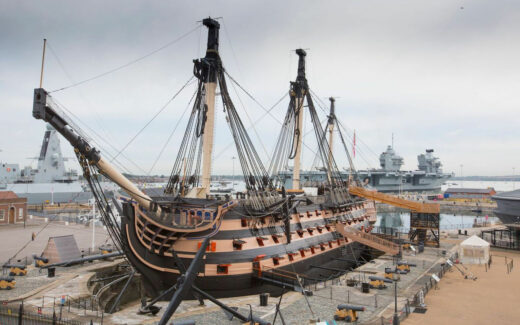
    You simply cannot visit this site without seeing its biggest star. HMS Victory is the most famous warship in the world and the pride of the British Royal Navy. Built in the 18th century, she took part in numerous campaigns, but went down in history primarily as Vice-Admiral Horatio Nelson’s flagship during the victorious, yet tragically fatal for the commander himself, Battle of Trafalgar in 1805.

    Historic Dockyard

    Stepping aboard HMS Victory, the authenticity of the vessel is striking. Thanks to conservation work that has been ongoing for decades, the ship looks exactly as it did on the day of the famous battle. As you explore the various decks, you have to keep your head low – the ceilings are incredibly low, giving a stark impression of the difficult conditions in which over 800 crew members lived and fought.

    The guides passionately recount stories of the sailors’ daily lives, their diet consisting of hardtack and salted beef, and the grim realities of naval medicine at the time. The climax of the tour aboard HMS Victory is descending to the lowest deck to see the exact spot where Vice-Admiral Nelson drew his final breath. It is a profoundly moving experience that stays in the memory for a long time. Interestingly, despite the passage of over two centuries, HMS Victory remains in active service as the flagship of the First Sea Lord, making her the oldest commissioned warship in the world.

    The Mary Rose: A Tudor Time Capsule

    Another reason why Portsmouth Historic Dockyard enjoys such immense prestige is the breathtaking Mary Rose museum. The history of this ship is as fascinating as it is tragic. Built during the reign of King Henry VIII, the Mary Rose was one of the first warships equipped with heavy broadside artillery. She sank in 1545 in the Solent, just a few miles from the harbour, right before the king’s eyes while repelling a French fleet attack.

    Historic Dockyard

    For over 400 years, the ship lay on the seabed, buried in silt, which paradoxically saved her from complete destruction. In 1982, in what remains one of the most complex underwater archaeology projects in history, the wreck was raised to the surface.

    Today, the Mary Rose Museum, located within Portsmouth Historic Dockyard, is an architectural masterpiece. Built directly around the reconstructed hull, it allows visitors to admire the remains of the ship from multiple perspectives and levels. However, it is not just the ship itself that makes the biggest impression, but the over 19,000 artefacts recovered from the seabed. They act as a unique “time capsule”, offering an unprecedented insight into the lives of Tudor-era people. You will see everything here – from massive cannons and longbows to the personal belongings of the sailors: leather shoes, nit combs, musical instruments, and even the remains of the ship’s dog, Hatch. It is an absolute world-class rarity.

    HMS Warrior 1860: A Marvel of the Industrial Revolution

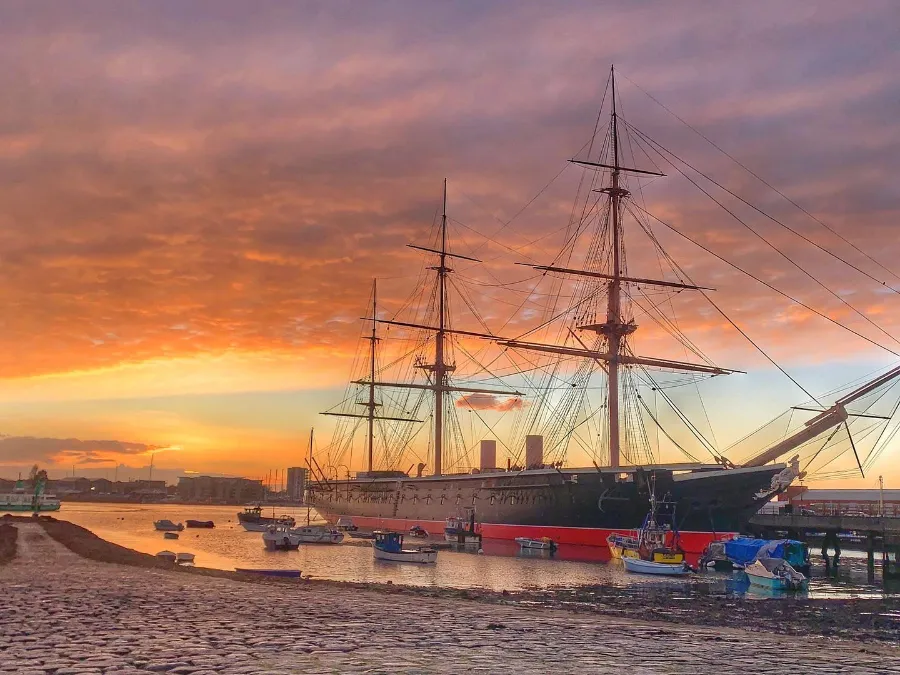
    The evolution of the British fleet did not stop at sailing ships. While exploring Portsmouth Historic Dockyard, your attention will certainly be drawn to the massive, black hull of HMS Warrior. Launched in 1860, she was Britain’s first iron-hulled, armoured warship, powered by both steam and sail.

    Historic Dockyard

    At the time of her creation, HMS Warrior was so technologically advanced, fast, and heavily armed that she instantly rendered every other naval fleet in the world obsolete. She never actually had to fire a shot in anger – her mere presence on the seas acted as a sufficient deterrent. Walking along her wide, gleaming decks, you can feel the stark contrast between the cramped quarters of HMS Victory and the spaciousness and Victorian splendour of Warrior. Here you will see elegant officers’ cabins, a gleaming engine room, and an impressive array of weaponry.

    HMS M33 and Action Stations: Attractions for Everyone

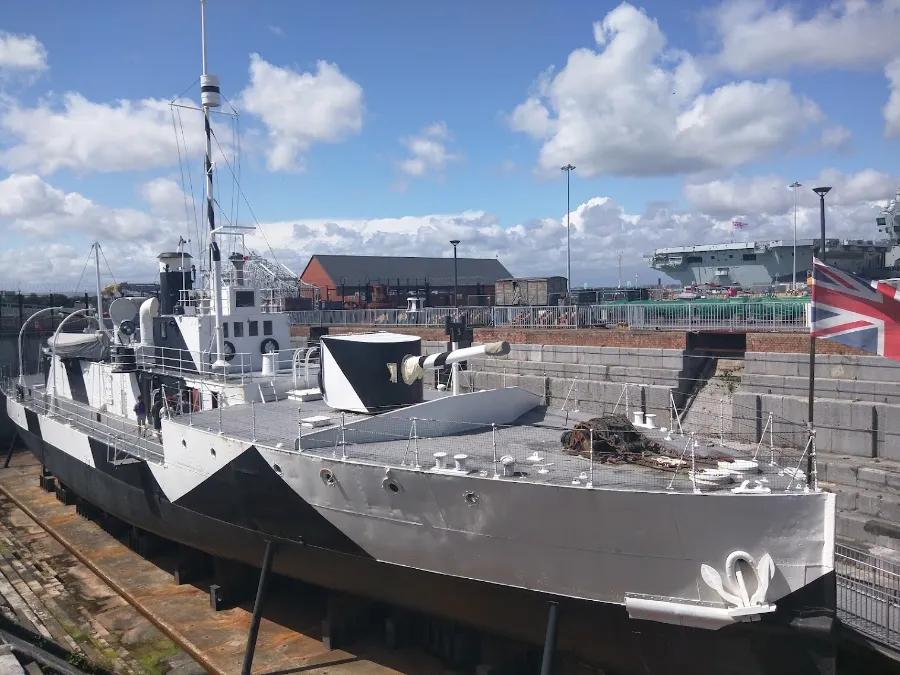
    Portsmouth Historic Dockyard offers much more than just the big three famous ships. For enthusiasts of 20th-century history, a must-see is HMS M33 – one of only three surviving British warships from the First World War. This small monitor took part in the bloody Gallipoli campaign in 1915. Exploring her provides a unique perspective on the living conditions of sailors during the Great War.

    Historic Dockyard

    If you are visiting the dockyard with children, be sure to head over to “Action Stations”. This is a huge, interactive arena inside the historic Boathouse No. 6. You will find flight simulators, climbing walls, laser quests, and dozens of physical challenges that test agility, dexterity, and strength – just like during Royal Marines training. It is excellent entertainment that perfectly balances a dose of historical knowledge with brilliant physical fun.

    One must also not forget the National Museum of the Royal Navy, located on the same site. Its extensive exhibitions will take you through hundreds of years of naval history, from the days of pirates to modern armed conflicts.

    Harbour Tours

    To fully appreciate the strategic importance of Portsmouth, you must view it from the water. A 45-minute Harbour Tour is usually included in the price of your Portsmouth Historic Dockyard ticket. This is a perfect opportunity to relax, have a coffee on the deck of the tour boat, and listen to the guide’s commentary. From the water, you can admire not only the historical part of the dockyard but also the modern warships of the Royal Navy – the impressive Type 45 destroyers and, if you are lucky, the newest Queen Elizabeth-class aircraft carriers. It is a fascinating contrast that highlights the continuity of naval tradition in this location.

    Practical Information for Planning Your Visit

    Planning your trip is straightforward, but it is worth knowing a few details to maximise your time.

    Which tickets should you choose?

    By far the most cost-effective option is purchasing the “Ultimate Explorer Ticket”. Although it might seem pricey at first glance, it provides unlimited access to all main attractions (including the Mary Rose, HMS Victory, HMS Warrior, the Harbour Tour, and the submarine museum in nearby Gosport) for a full 12 months! If you plan to explore other things to do in Portsmouth and stay in the Hampshire region for longer, this ticket allows you to spread your sightseeing over several days without rushing.

    How much time do you need?

    To do justice to everything the dockyard has to offer, you should set aside a full day (a minimum of 6-7 hours). Just touring the flagship vessels takes about 3 hours, and the Mary Rose Museum requires another 2 hours. A quick, few-hour trip means you will miss out on many fascinating details.

    Food and rest within the dockyard

    Wandering the decks of historic ships can certainly work up an appetite. You will find several places to eat well within the complex. The “Boathouse No.4 Restaurant” offers excellent meals with a view of the boatbuilding workshop, where traditional wooden boats are still restored today. Alternatively, “Costa Coffee” or the small cafés in the Mary Rose Museum are perfect spots for a quick coffee and a cake. It is also worth remembering that the dockyard is situated right next to the modern Gunwharf Quays complex. After the museum gates close (usually at 5:00 PM or 5:30 PM in the summer season), you can head there for dinner at one of dozens of superb restaurants with a view of the famous Spinnaker Tower.

    Getting there and location

    The dockyard boasts excellent transport links. The “Portsmouth Harbour” railway station is literally a 2-minute walk from the main entrance. This is an ideal solution if you are travelling from London or other cities in southern England. For those driving, the large “Havens Street” car park is available, though during the summer season, it is advisable to arrive early in the morning to guarantee a space.

    Other things to do in Portsmouth: What to see outside the dockyard?

    While the dockyard will take up most of your day, remember that things to do in Portsmouth do not end there. The city has plenty of fantastic venues to offer. The aforementioned Gunwharf Quays shopping and leisure centre is a paradise for bargain hunters seeking designer outlets. Another mandatory stop is taking the high-speed lift to the top of the Spinnaker Tower – a 170-metre observation tower offering breathtaking panoramic views of Portsea Island, the Solent, and the Isle of Wight.

    History buffs can continue their walk along the seafront to Southsea Castle, built by order of Henry VIII, or visit the deeply moving museum dedicated to the Normandy landings – The D-Day Story. Portsmouth is a vibrant city, full of lively pubs serving local craft beer and wide, shingle beaches perfect for an evening stroll.

    Summary

    Portsmouth Historic Dockyard is much more than a collection of old ships. It is a profoundly moving history lesson, a place where Great Britain’s national pride was forged in wood and steel. From the tangible evidence of heroism offered by HMS Victory, to the everyday life of Tudor people encapsulated in the wreck of the Mary Rose – the dockyard provides an extraordinary journey into the past for guests of all ages.

    Whether you are a keen historian, looking for a great educational adventure for your children, or simply want to explore the best things to do in Portsmouth, the Historic Dockyard is sure to meet and even exceed your expectations. Plan your visit, put on comfortable shoes, and prepare to step into the fascinating world of naval legends!

    Portsmouth Historic Dockyard – FAQ (Frequently Asked Questions)