


Portsmouth is an absolutely unique place on the map of Great Britain. Functioning in our geographical awareness as the only British city located entirely on an island (Portsea Island), it constitutes a fascinating cultural and urban phenomenon. If you are planning your stay and wondering where to begin your exploration, there is only one answer. Portsmouth Museum (Portsmouth Museum and Art Gallery) is the cultural lifeblood of the city and the perfect starting point for any tourist. This is where centuries of naval supremacy meet the dynamic transformations of the Victorian era, and the literary echoes of Britain’s greatest creators still resonate within historic walls.
Located on Museum Road (postcode PO1 2LJ), this remarkable venue is not merely a dull warehouse of dusty artefacts. It is a dynamic and incredibly modern educational platform. For lovers of maritime tales, fans of detective mysteries, or families looking for smart entertainment, this is an absolute must-see. Moreover, keeping in line with a modern policy of inclusivity, this institution offers free access to its permanent galleries! Join us for an in-depth guide that will uncover the deepest secrets of this place.
Spis treści
From Military Bastions to a Temple of Culture: The Fascinating History of Portsmouth
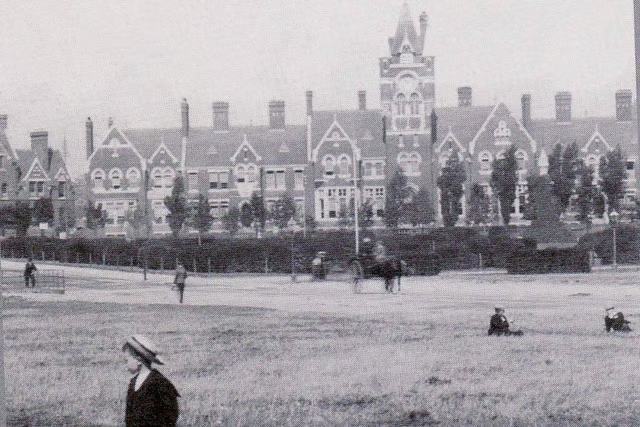
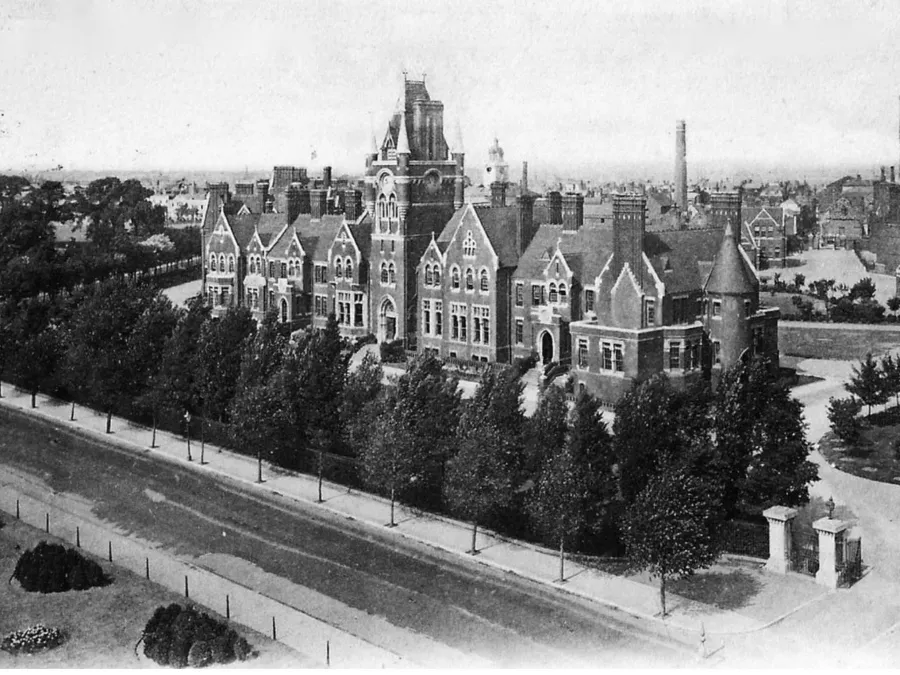
Understanding the importance of the collections is impossible without knowing the fate of the building itself. The premises currently housing the Portsmouth Museum are a material witness to turbulent geopolitical transformations. The site has deep military roots dating back to the 17th century when the foundations of the local fortifications were shaped under the watchful eye of the eminent Dutch engineer, Bernard de Gomme.
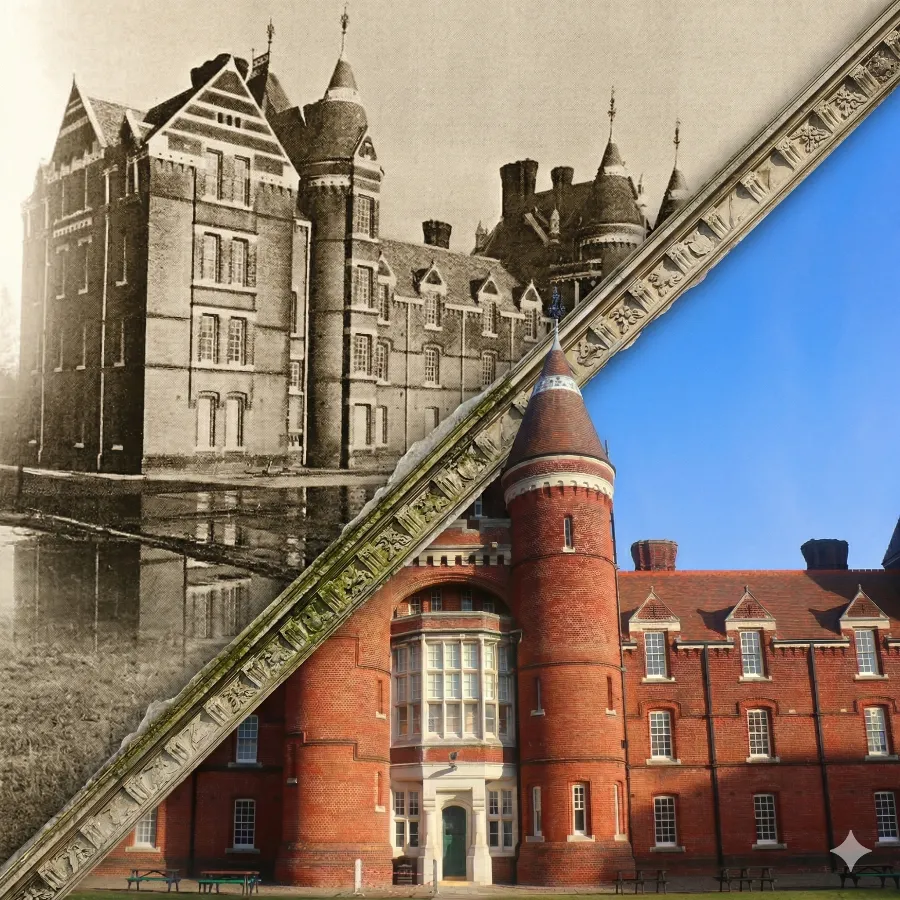
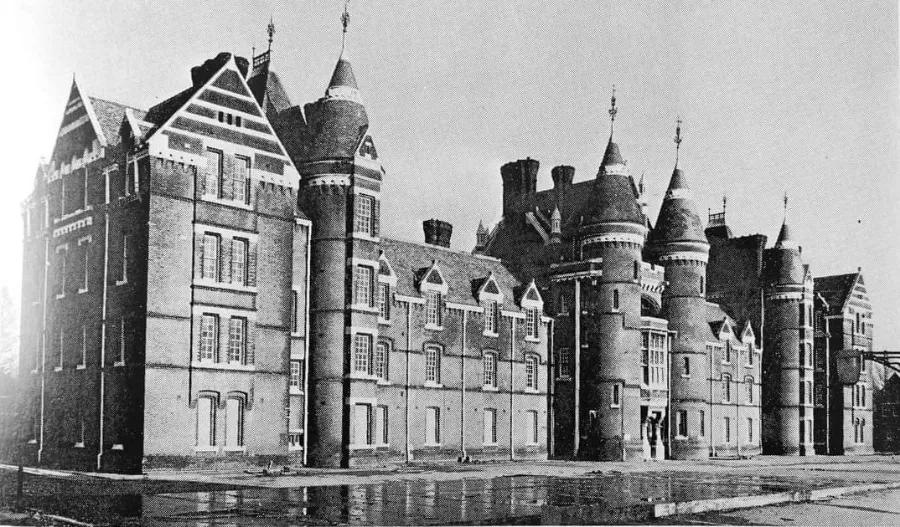
The rich history of Portsmouth is literally carved into every stone here. In 1760, the Fourhouse Barracks were erected on this site (the name originated from four royal breweries supplying beer to the fleet). Then, in 1893, with the use of forced convict labour, impressive red-brick officers’ quarters were built – today’s museum building. An interesting fact is that the local working-class community, out of sheer pity, secretly fed the working prisoners sweets and tobacco. One of the convicts, carving intricate heraldic details, was treated so well that after his sentence had expired, he actually asked to stay on just so he could complete his artistic masterpiece!
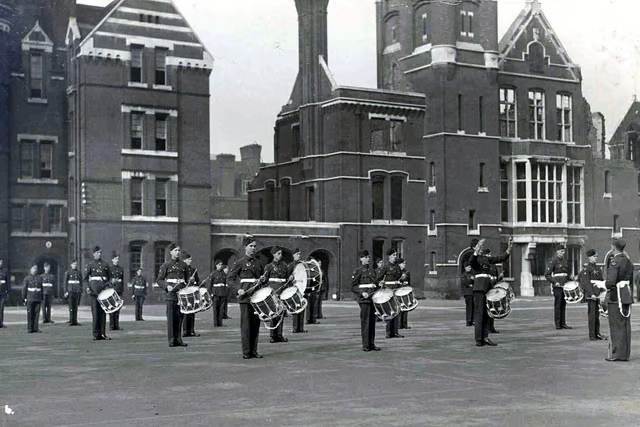
We must also mention the tragedy of the Second World War. The original city museum was located on High Street. Anticipating the worst, the heroic staff evacuated the most valuable collections in 1940. This decision proved to be a lifesaver, as in March 1941, during a massive Luftwaffe bombing raid (known as the Portsmouth Blitz), the old building was reduced to absolute ruin. The treasures that survived the flames eventually found their magnificent new home in the surviving barracks in 1972.
Time Travel: “Story of Portsmouth” and the Evolution of Daily Life
One of the greatest reasons to visit the Portsmouth Museum is the absolutely phenomenal “Story of Portsmouth” exhibition. Forget about boring display cabinets. Here, the curators have opted for an immersive chronological narrative, creating advanced period rooms. It is a genuine time machine!
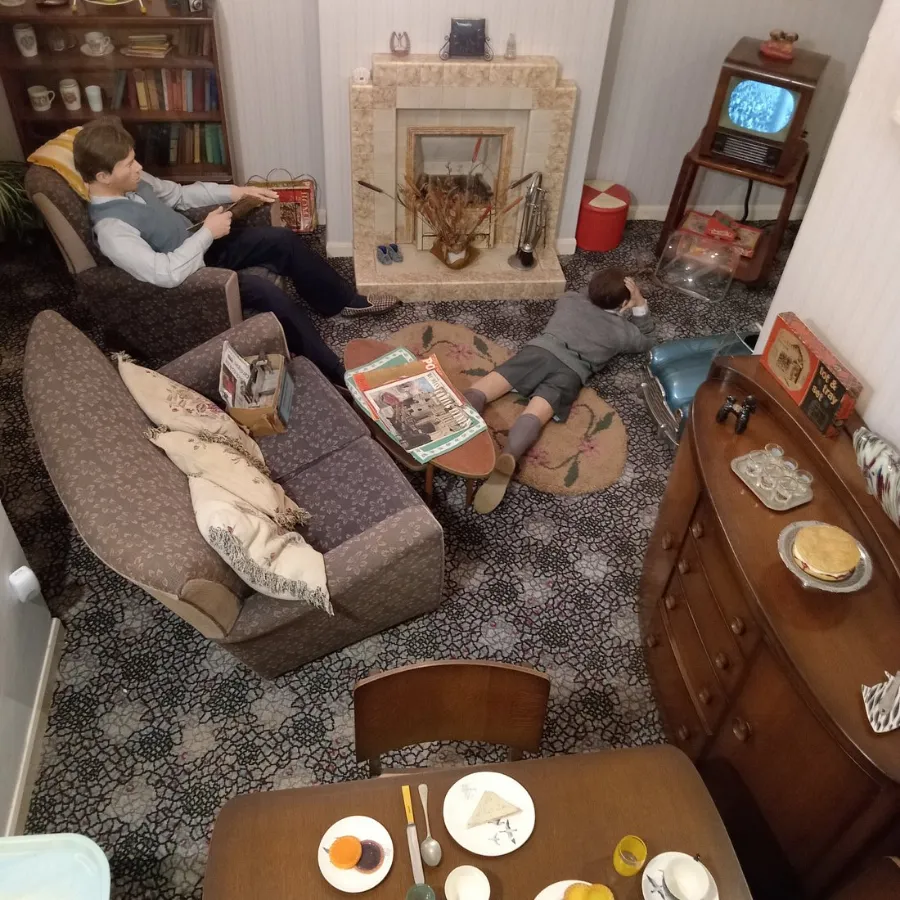
Your journey begins in an austere, 17th-century bedroom. You will quickly realise how dark and cold old households were, illuminated only by the faint glow of candles through small leaded window panes. Then, you will collide with the brutal reality of the industrial era in a reconstructed dockyard worker’s kitchen from 1871. This cramped and utilitarian space stands in stark contrast to the opulence of the Victorian parlour exhibited nearby, overloaded with trinkets and indicative of upper-middle-class status.
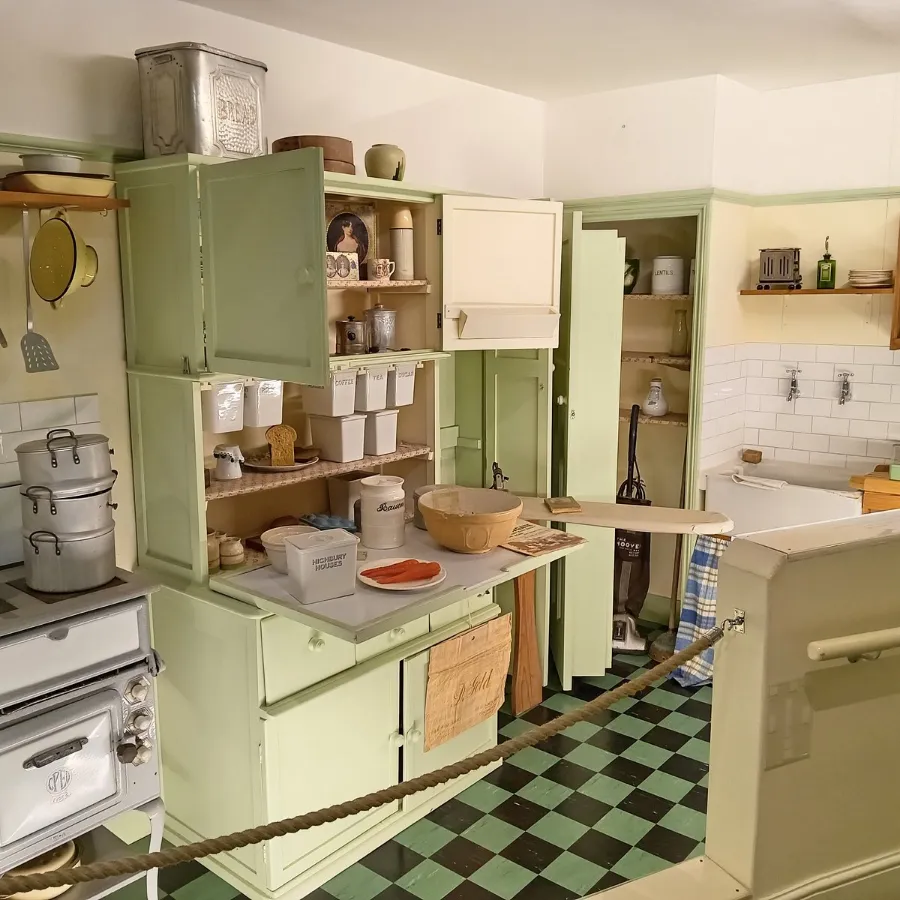
Subsequent rooms take you straight into the 20th century. You will see a fascinating 1930s dining room in an early glamour style, inspired by Hollywood culture, before finally landing in a loud, colourful 1950s living room, where the television set already takes centre stage. It is a real treat for enthusiasts of anthropology and interior design.
Top Portsmouth Attractions: Sherlock Holmes and Spiritualism
If you ask literary travellers about the top Portsmouth attractions, they will undoubtedly point to this museum because of one name: Arthur Conan Doyle. It was right here, in the Southsea district (specifically at Bush Villas), that the writer opened his medical practice in 1882. Because patients were scarce and bills had to be paid, the young doctor started writing short stories. That is how the most famous detective of all time was born!
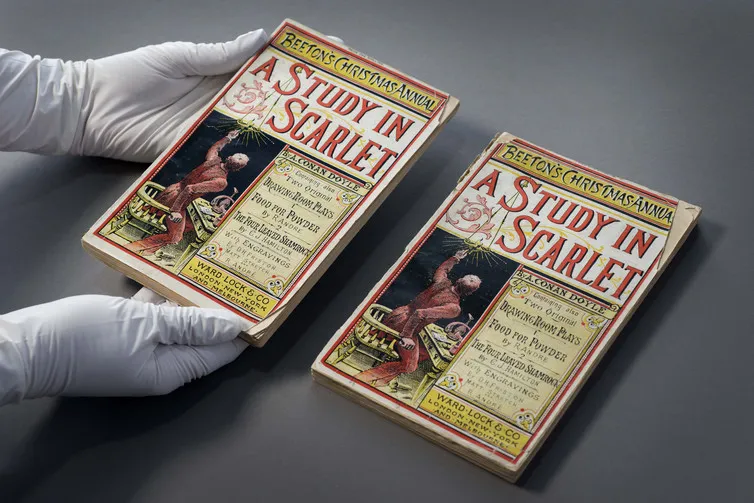
The Portsmouth Museum holds one of the world’s largest and most valuable private collections dedicated to Sherlock Holmes – The Arthur Conan Doyle Collection (the Richard Lancelyn Green Bequest from 2004). The collection, valued at over £3 million, includes 40,000 unique documents, alongside thousands of rare books and artefacts.
The absolute “Holy Grail” of this collection is an immaculately preserved, completely intact copy of “Beeton’s Christmas Annual 1887”. It was in this very publication that the first Holmes novel, “A Study in Scarlet”, saw the light of day. There are only a dozen or so such complete copies left in the entire world! Due to its extreme fragility, this rarity is seldom displayed, but just the awareness of being in the presence of such a collection gives you goosebumps.
The exhibition also sheds light on the author’s darker, controversial post-WWI interests – spiritualism. You will see, among other things, the original wooden memorial plaques from Sir Arthur’s grave, which were rejected by the church cemetery. The museum also provides interactive activity trails and detective puzzles that turn the whole experience into a fascinating field game for amateur sleuths!
“Pompey”: The Island City, Fortress, and Temple of Football
The tradition and unique local patriotism of the residents (who proudly refer to themselves as “Pompey”) is another pillar of the exhibition. Understanding how the history of Portsmouth shaped the tough, dockyard character of its people is the key to feeling the true vibe of this city. The city squeezed and expanded on a closed island, becoming one of the most heavily fortified places on earth, where civilians lived in the shadow of cannons.
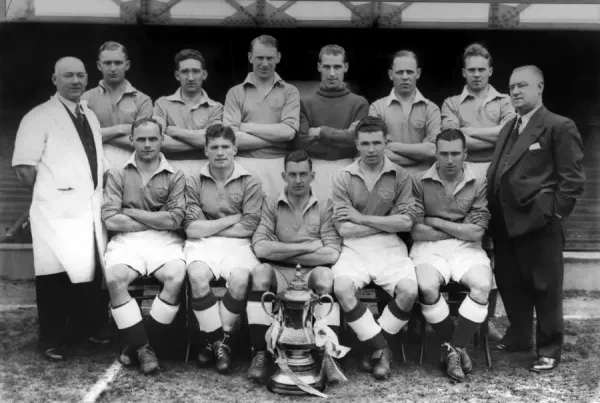
For the working-class society, sport was an escape from the hardships of dockyard life. The museum houses a fantastic gallery called “Football in the City”. For Portsmouth FC fans, this is a place of worship. You can see the original footballs from the 1939 and 2008 FA Cup finals. However, the greatest emotions are stirred by an old, authentic cast-iron turnstile from Fratton Park stadium. The clatter of its mechanism is a sensory childhood memory for generations of residents and the “gateway to the magical world of football”. (Practical note: the second floor housing this exhibition strictly closes at 4:30 PM!).
Literary Echoes: Jane Austen in Paintings
Although Sherlock Holmes plays the first fiddle here, a keen observer will notice wonderful references to the works of Jane Austen, who lived in Portsmouth between 1806 and 1809. The famous author’s brothers were distinguished Royal Navy officers. Austen utilised their knowledge while writing novels such as “Mansfield Park”.
The Portsmouth Museum offers a free, intimate “Picture Gallery” filled with 19th-century dockyard and maritime landscapes. Looking at the canvases depicting the intricate rigging of ships moored at Spithead or the chaos of the early arms industry, a tourist can see the world through exactly the same eyes as Fanny Price, the heroine of “Mansfield Park”.
A “Cabinet of Curiosities” and Incredible Design
The fine and decorative art collections in this venue could put many a capital city gallery to shame. Here, you will discover wonderful Portsmouth attractions in the form of outstanding avant-garde art and Victorian craftsmanship. Of particular note is the giant, octagonal oak table designed by the father of British Gothic Revival, A.W.N. Pugin, and hand-painted furniture by the famous artistic Bloomsbury Group (including an extravagant cabinet by Duncan Grant).
Do not miss the gems recommended by the museum staff as part of the “Staff Recommends” programme. Among them, you will find:
- The Silver Porcupine: a bizarre, 18th-century toothpick holder from the naval hospital, rescued from the burning Guildhall in 1941!
- A Model of a Disappearing Gun from 1870: a marvel of ballistic engineering.
- Pedlar Dolls: fascinating Victorian conversation pieces from 1840.
- The Skeleton of a Mole and a Flightless Kiwi Bird: fascinating osteological exhibits proving evolutionary theses.
How to Plan Your Visit? A Practical Guide
To fully harness the potential of this place, it is worth knowing a few operational details. This will make any trip much easier.
- Location and Travel: The venue is located on Museum Road. You can walk here from Portsmouth & Southsea railway station in just 15 minutes. It is also excellently served by bus routes 3, 700, and 23.
- Opening Hours: The Portsmouth Museum is open from Tuesday to Sunday, between 10:00 AM and 5:00 PM (remember that the football exhibition floor closes earlier, at 4:30 PM!).
- Parking: This is a massive advantage in a densely built-up city! At the rear of the building, there is a completely free car park for visitors (locked when the museum closes).
- Food and Drink: Inside, there is a charming café offering special discounts during the first hour of opening. In the summer season, it is mandatory to visit the beautiful gardens with a hidden playground and free outdoor games to borrow.
- Accessibility for Everyone: The historic Victorian building has been rigorously modernised. It features lifts, levelling ramps, Evac+Chair evacuation equipment, and the place itself is incredibly friendly to families with young children and breastfeeding mothers.
The history of Portsmouth is a tale of naval power, hard graft, literary genius, and immense courage. A visit to the Portsmouth Museum and Art Gallery is not just a walk amongst exhibits; it is a deep and thrilling experience of the identity of Great Britain’s truest maritime heart. We strongly recommend adding this spot as the number one item on your tourist itinerary!
Leave a Reply
You must be logged in to post a comment.